देवों के देव महादेव: शिव कौन हैं?
June 25, 2026 — LiveStream
As an Amazon Associate I earn from qualifying purchases.
As an Amazon Associate I earn from qualifying purchases.
As an Amazon Associate I earn from qualifying purchases.
As an Amazon Associate I earn from qualifying purchases.
As an Amazon Associate I earn from qualifying purchases.
As an Amazon Associate I earn from qualifying purchases.
As an Amazon Associate I earn from qualifying purchases.
As an Amazon Associate I earn from qualifying purchases.
As an Amazon Associate I earn from qualifying purchases.
As an Amazon Associate I earn from qualifying purchases.
As an Amazon Associate I earn from qualifying purchases.
As an Amazon Associate I earn from qualifying purchases.
As an Amazon Associate I earn from qualifying purchases.
As an Amazon Associate I earn from qualifying purchases.
As an Amazon Associate I earn from qualifying purchases.
As an Amazon Associate I earn from qualifying purchases.
As an Amazon Associate I earn from qualifying purchases.
As an Amazon Associate I earn from qualifying purchases.
As an Amazon Associate I earn from qualifying purchases.
As an Amazon Associate I earn from qualifying purchases.
As an Amazon Associate I earn from qualifying purchases.
As an Amazon Associate I earn from qualifying purchases.
As an Amazon Associate I earn from qualifying purchases.
As an Amazon Associate I earn from qualifying purchases.
As an Amazon Associate I earn from qualifying purchases.
As an Amazon Associate I earn from qualifying purchases.
As an Amazon Associate I earn from qualifying purchases.
As an Amazon Associate I earn from qualifying purchases.
As an Amazon Associate I earn from qualifying purchases.
As an Amazon Associate I earn from qualifying purchases.
As an Amazon Associate I earn from qualifying purchases.
As an Amazon Associate I earn from qualifying purchases.
As an Amazon Associate I earn from qualifying purchases.
As an Amazon Associate I earn from qualifying purchases.
As an Amazon Associate I earn from qualifying purchases.
As an Amazon Associate I earn from qualifying purchases.
As an Amazon Associate I earn from qualifying purchases.
As an Amazon Associate I earn from qualifying purchases.
🛒 Recommended gear on AmazonDisclosure: some links above are affiliate links — if you buy through them I may earn a small commission at no extra cost to you. Thanks for supporting the channel!
As an Amazon Associate I earn from qualifying purchases.
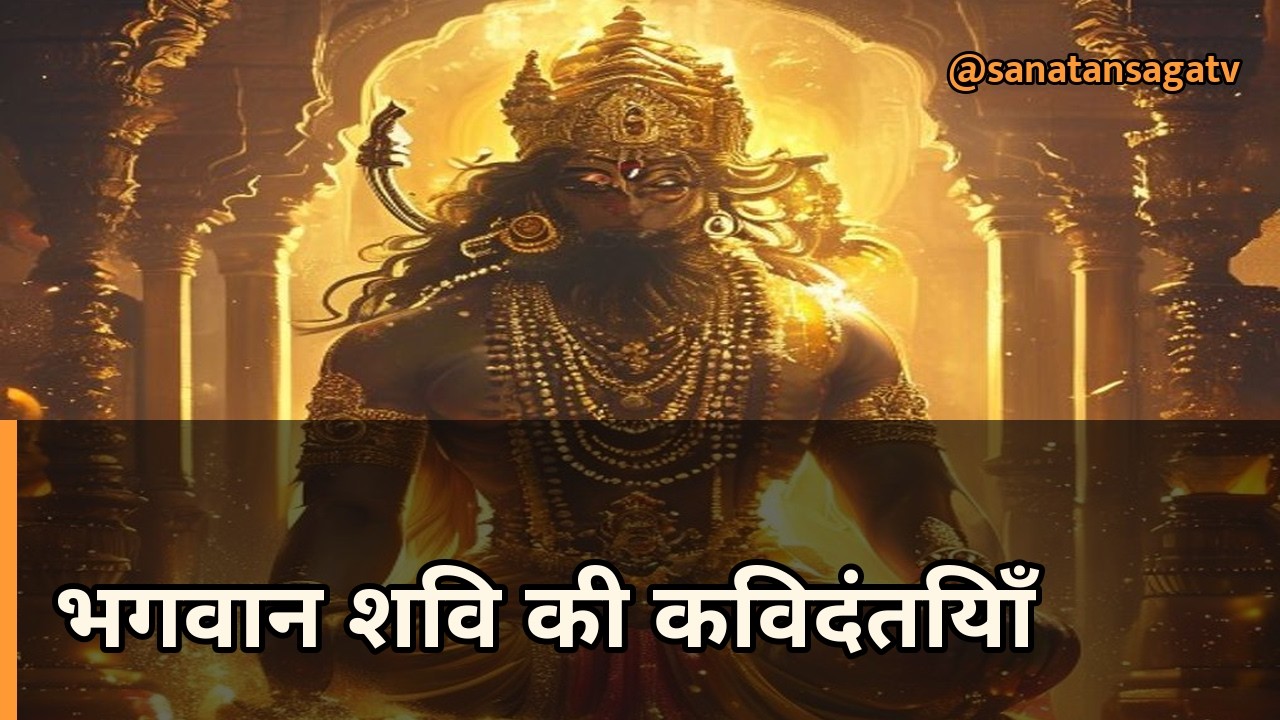
सृष्टि के कण-कण में समाहित, देवों के देव महादेव भगवान शिव की महिमा अनंत है। उनकी कथाएं, उनके रहस्य और उनकी लीलाएं अनादि काल से मानव जाति को प्रेरणा देती आ रही हैं। यह लेख आपको भगवान शिव की महिमा और शिव की कथाएं के गहरे सागर में गोता लगाने का अवसर देता है, जहां हम उनके विभिन्न रूपों, अद्भुत लीलाओं और गहन दार्शनिक महत्व को समझेंगे।
भगवान शिव, जिन्हें 'शिव शंकर', 'महादेव' और 'भोलेनाथ' जैसे अनेक नामों से पुकारा जाता है, हिन्दू धर्म के त्रिदेवों में से एक हैं। वे विनाश, परिवर्तन और पुनर्जनन के देवता हैं, लेकिन साथ ही वे प्रेम, करुणा और त्याग के प्रतीक भी हैं। उनकी जटिल और विरोधाभासी प्रकृति ही उन्हें इतना अद्वितीय और पूजनीय बनाती है। हिन्दू त्रिदेवों की अवधारणा में उनका स्थान विशेष है। उनका रूप जितना भयंकर है, उनका हृदय उतना ही कोमल है, और उनकी हर कथा में जीवन के गूढ़ रहस्य छिपे हुए हैं।
भगवान शिव की पहचान सिर्फ एक देवता के रूप में नहीं, बल्कि एक परम तत्व के रूप में है जो सृष्टि के उद्भव, स्थिति और संहार का मूल है। वे निराकार और साकार दोनों हैं। उन्हें आदियोगी कहा जाता है, क्योंकि वे योग और ध्यान के जनक हैं, जिन्होंने सर्वप्रथम ब्रह्मांड को योग का ज्ञान दिया। कैलाश पर्वत पर ध्यानमग्न शिव की छवि शांति और वैराग्य का सर्वोच्च प्रतीक है।
शिव के स्वरूप की विशेषताएँ:
- संहारकर्ता और संरक्षक: ब्रह्मा सृष्टि करते हैं, विष्णु पालन करते हैं और शिव संहार करते हैं। लेकिन यह संहार विनाशकारी नहीं, बल्कि पुनर्जनन और परिवर्तन के लिए आवश्यक है। वे बुराई का नाश करते हैं और धर्म की रक्षा करते हैं।
- योगी और गृहस्थ: शिव एक ओर घोर तपस्वी हैं, जो कैलाश पर ध्यान करते हैं और संसार के मोह-माया से विरक्त रहते हैं। वहीं दूसरी ओर वे माता पार्वती के साथ गृहस्थ जीवन भी जीते हैं और गणेश व कार्तिकेय के पिता हैं। यह विरोधाभास दर्शाता है कि अध्यात्म और सांसारिक जीवन का संतुलन कैसे साधा जा सकता है।
- सरलता और प्रचंडता: उन्हें 'भोलेनाथ' कहा जाता है क्योंकि वे अत्यंत सरल और शीघ्र प्रसन्न होने वाले देवता हैं। वे भक्तों की थोड़ी सी भक्ति से भी संतुष्ट हो जाते हैं। वहीं, जब वे क्रोधित होते हैं, तो उनका तांडव पूरे ब्रह्मांड को कंपकंपा देता है।
शिव की कथाएं हमें यह सिखाती हैं कि जीवन में संतुलन कितना महत्वपूर्ण है – वैराग्य और आसक्ति के बीच, शांति और क्रोध के बीच, सृष्टि और संहार के बीच। वे परम पुरुष और परम शक्ति के मिलन का प्रतीक भी हैं, जहां शिव 'पुरुष' (चेतना) और पार्वती 'प्रकृति' (ऊर्जा) का प्रतिनिधित्व करती हैं।
शिव की प्रमुख कथाएं और लीलाएं
भगवान शिव की महिमा उनकी अनगिनत लीलाओं और कथाओं में निहित है, जो न केवल मनोरंजक हैं बल्कि गहन आध्यात्मिक अर्थ भी रखती हैं। ये कथाएं हमें धर्म, कर्तव्य, प्रेम, त्याग और जीवन-मृत्यु के चक्र के बारे में सिखाती हैं।
सती का बलिदान और दक्ष यज्ञ का विध्वंस
यह शिव की कथाएं में से एक सबसे मार्मिक और महत्वपूर्ण कथा है। प्रजापति दक्ष ने एक महायज्ञ का आयोजन किया, जिसमें उन्होंने सभी देवताओं को आमंत्रित किया, सिवाय अपनी पुत्री सती और दामाद शिव के। सती अपने पिता के यज्ञ में बिना बुलाए ही पहुंच गईं, जहां उन्हें और उनके पति शिव का घोर अपमान किया गया। अपने पति के अपमान से आहत होकर सती ने उसी यज्ञ कुंड में कूदकर अपने प्राण त्याग दिए।
जब भगवान शिव को इस घटना का पता चला, तो वे अत्यंत क्रोधित हुए। उनके क्रोध से वीरभद्र नामक एक भयानक गण उत्पन्न हुआ, जिसने दक्ष के यज्ञ को नष्ट कर दिया और दक्ष का सिर काट डाला। बाद में शिव ने दक्ष को बकरे का सिर लगाकर जीवनदान दिया। यह कथा अहंकार, क्रोध के परिणामों और सच्चे प्रेम की शक्ति को दर्शाती है। सती के देह त्याग के बाद शिव विरक्ति और वैराग्य में चले गए, जिसे संसार के लिए खतरा माना गया।
पार्वती का तप और शिव-पार्वती विवाह
सती के आत्मदाह के बाद शिव घोर तपस्या में लीन हो गए। उन्हें संसार में वापस लाने और सृष्टि के संतुलन को बनाए रखने के लिए, हिमालय की पुत्री पार्वती ने जन्म लिया, जो सती का ही पुनर्जन्म थीं। पार्वती ने शिव को पति रूप में पाने के लिए वर्षों तक कठोर तपस्या की। उन्होंने शिव की सेवा की, अत्यंत कठिन व्रत रखे और अपनी तपस्या से शिव के मन को विचलित करने की कोशिश की। कामदेव ने भी शिव के तप को भंग करने का प्रयास किया, जिसके फलस्वरूप शिव ने अपने तीसरे नेत्र से कामदेव को भस्म कर दिया।
अंततः, पार्वती की अटूट भक्ति और तपस्या से प्रसन्न होकर शिव ने उनसे विवाह किया। यह कथा दृढ़ संकल्प, प्रेम की शक्ति और तपस्या के महत्व को उजागर करती है। यह हमें सिखाती है कि सच्चा प्रेम और धैर्य असंभव को भी संभव बना सकता है। शिव-पार्वती का विवाह गृहस्थ जीवन के आदर्शों का प्रतीक है, जहां दोनों समान रूप से एक-दूसरे के पूरक हैं।
समुद्र मंथन और नीलकंठ
देवताओं और असुरों ने मिलकर अमृत प्राप्त करने के लिए समुद्र मंथन किया। इस मंथन के दौरान अनेक दिव्य रत्न और वस्तुएं निकलीं, लेकिन सबसे पहले 'हलाहल' नामक एक भयंकर विष निकला, जो पूरे ब्रह्मांड को नष्ट करने की क्षमता रखता था। जब सभी देवता और असुर भयभीत हो गए, तो भगवान शिव ने सृष्टि की रक्षा के लिए वह सारा विष पी लिया। उन्होंने विष को अपने कंठ में धारण कर लिया, जिससे उनका कंठ नीला पड़ गया। तभी से उन्हें 'नीलकंठ' कहा जाने लगा।
यह कथा त्याग, परोपकार और निःस्वार्थ भाव का अद्भुत उदाहरण है। शिव ने अपनी परवाह किए बिना समस्त सृष्टि के कल्याण के लिए विषपान किया। यह दिखाता है कि सर्वोच्च शक्ति का उपयोग व्यक्तिगत लाभ के लिए नहीं, बल्कि दूसरों की रक्षा के लिए होना चाहिए।
गंगा अवतरण: पृथ्वी पर गंगा का आगमन
राजा सगर के साठ हजार पुत्रों को कपिल मुनि के श्राप से मुक्ति दिलाने के लिए, उनके वंशज भगीरथ ने कठोर तपस्या की ताकि देवी गंगा को स्वर्ग से पृथ्वी पर लाया जा सके। गंगा का प्रवाह इतना प्रचंड था कि यदि वे सीधे पृथ्वी पर आतीं तो पूरी पृथ्वी को बहा ले जातीं। भगीरथ की प्रार्थना पर भगवान शिव ने गंगा को अपनी जटाओं में धारण किया, उनके वेग को शांत किया और फिर उन्हें धीरे-धीरे पृथ्वी पर प्रवाहित किया।
यह कथा तपस्या, दृढ़ संकल्प और पर्यावरण संरक्षण के महत्व पर प्रकाश डालती है। शिव की जटाओं में गंगा का अवतरण दिखाता है कि प्रकृति की प्रचंड शक्तियों को नियंत्रित करने के लिए ईश्वरीय हस्तक्षेप और संतुलन की आवश्यकता होती है। गंगा सिर्फ एक नदी नहीं, बल्कि जीवनदायिनी शक्ति और पवित्रता का प्रतीक है।
त्रिशूल, डमरू और तीसरा नेत्र: शिव के प्रतीकों का अर्थ
भगवान शिव के प्रत्येक प्रतीक का गहरा आध्यात्मिक और दार्शनिक अर्थ है:
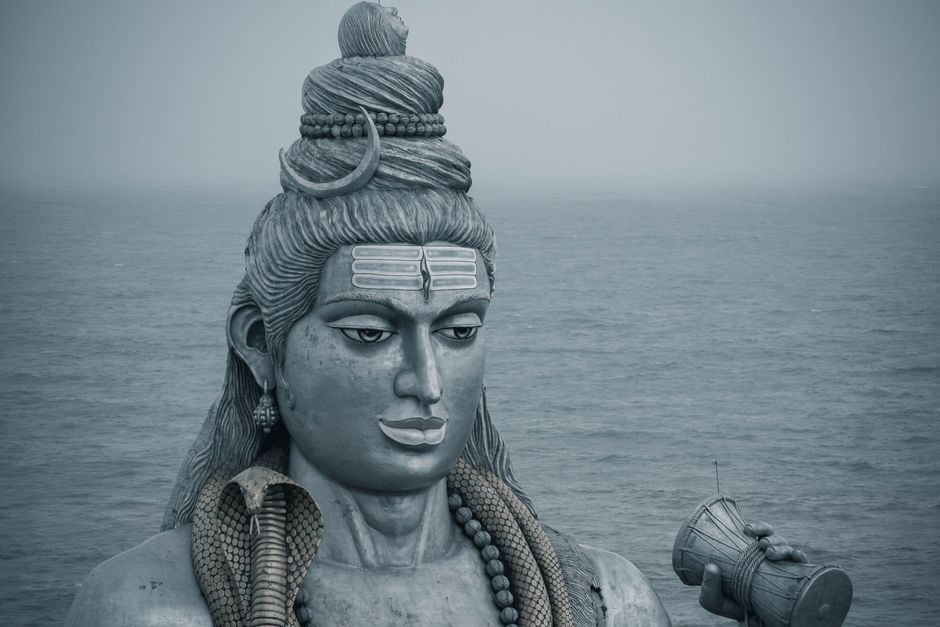
- त्रिशूल: यह त्रिशक्ति का प्रतीक है – इच्छा शक्ति, ज्ञान शक्ति और क्रिया शक्ति। यह भूत, वर्तमान और भविष्य; स्वर्ग, पृथ्वी और पाताल; और सत्व, रज, तम (तीन गुणों) को भी दर्शाता है। शिव इसका उपयोग बुराई का नाश करने और धर्म की रक्षा करने के लिए करते हैं।
- डमरू: यह सृष्टि की ध्वनि, 'ओम' का प्रतीक है। डमरू से निकलने वाली ध्वनि को ब्रह्मांड के निर्माण की ध्वनि माना जाता है। यह लय, ताल और सृजन की प्रक्रिया को दर्शाता है। यह ध्वनि ब्रह्मांडीय नृत्य नटराज के साथ जुड़ी हुई है।
- तीसरा नेत्र (त्रिनेत्र): शिव का तीसरा नेत्र ज्ञान और अंतर्दृष्टि का प्रतीक है। यह भौतिक दुनिया से परे देखने की क्षमता और माया को भेदने की शक्ति को दर्शाता है। जब शिव अपना तीसरा नेत्र खोलते हैं, तो वह विनाश या अज्ञानता के अंधकार को दूर करने का प्रतीक होता है। उन्होंने कामदेव को इसी नेत्र से भस्म किया था।
- सर्प: शिव के गले में लिपटा सर्प (वासुकी) अहंकार और मृत्यु पर विजय का प्रतीक है। यह योगिक शक्ति और कुंडलिनी ऊर्जा को भी दर्शाता है।
- चंद्रमा: शिव अपने माथे पर अर्धचंद्र धारण करते हैं, जो समय के चक्र और मानसिक शांति का प्रतीक है। यह चंद्रमा के सोलह कलाओं में से एक कला को दर्शाता है, जो शिव की मानसिक स्थिरता और नियंत्रण को इंगित करता है।
- भस्म/विभूति: शिव अपने शरीर पर भस्म लगाते हैं, जो संसार की नश्वरता और वैराग्य का प्रतीक है। यह दर्शाता है कि अंततः सब कुछ राख में मिल जाता है और इसलिए भौतिक संसार के प्रति अत्यधिक आसक्ति व्यर्थ है।
- व्याघ्र चर्म: शिव व्याघ्र चर्म धारण करते हैं, जो शक्ति, निडरता और इच्छाओं पर विजय का प्रतीक है। यह दर्शाता है कि उन्होंने जंगली और आदिम प्रवृत्तियों पर नियंत्रण प्राप्त कर लिया है।
यह सभी प्रतीक मिलकर शिव की कथाएं और उनके गहन दर्शन को और भी समृद्ध बनाते हैं।
शिव के विविध रूप और उनका महत्व
भगवान शिव की महिमा उनके अनेक रूपों में परिलक्षित होती है, जिनमें से प्रत्येक का अपना विशेष महत्व और संदेश है।
अर्धनारीश्वर: शक्ति और पुरुष का मिलन
अर्धनारीश्वर शिव का वह रूप है जिसमें उनका आधा शरीर पुरुष (शिव) का और आधा स्त्री (पार्वती/शक्ति) का होता है। यह रूप ब्रह्मांड में पुरुष और स्त्री ऊर्जा के पूर्ण संतुलन और अविभाज्य एकता का प्रतीक है। यह दर्शाता है कि सृष्टि की कोई भी रचना अकेले पूर्ण नहीं है; पुरुष और प्रकृति, चेतना और ऊर्जा, दोनों एक-दूसरे के पूरक हैं और एक-दूसरे के बिना अधूरे हैं। यह आध्यात्मिक द्वैत को समाप्त कर अद्वैत की ओर इशारा करता है।
नटराज: ब्रह्मांडीय नृत्य का स्वामी
नटराज शिव का वह रूप है जिसमें वे ब्रह्मांडीय नृत्य 'तांडव' करते हुए दिखाए जाते हैं। यह नृत्य सृष्टि, स्थिति और संहार के चक्र को दर्शाता है। उनके नृत्य की प्रत्येक भंगिमा में ब्रह्मांड का रहस्य छिपा है। एक हाथ में डमरू (सृजन), दूसरे में अग्नि (संहार), एक पैर से अपस्मार (अज्ञानता) को कुचलते हुए और दूसरा पैर उठा हुआ मोक्ष का प्रतीक। यह रूप दर्शाता है कि शिव स्वयं कलाकार हैं, जिनकी कला यह संपूर्ण ब्रह्मांड है। यह कला, विज्ञान और आध्यात्मिकता का अद्भुत संगम है।
भैरव: विनाशक और संरक्षक
भैरव शिव का एक रौद्र रूप है, जो विनाश और दंड के देवता हैं। वे अक्सर क्रोधित, शस्त्र धारण किए हुए और भयानक रूप में चित्रित किए जाते हैं। भैरव का कार्य पापियों को दंडित करना और भक्तों की रक्षा करना है। हालांकि यह रूप डरावना लग सकता है, लेकिन यह दर्शाता है कि शिव बुराई का नाश करने और न्याय स्थापित करने में सक्षम हैं। वे भक्तों के लिए संरक्षक और शत्रुओं के लिए संहारक हैं।
लिंगम पूजा का आध्यात्मिक अर्थ
शिव की पूजा अक्सर शिवलिंग के रूप में की जाती है, जो शिव के निराकार स्वरूप का प्रतीक है। लिंगम शब्द का अर्थ 'चिह्न' या 'प्रतीक' है। यह ब्रह्मांड के सृजन की रचनात्मक ऊर्जा का प्रतिनिधित्व करता है, जहां ऊपरी भाग (लिंगम) शिव का और निचला भाग (योनि) शक्ति का प्रतीक है। यह पुरुष और प्रकृति के मिलन से होने वाली सृष्टि की अवधारणा को दर्शाता है। लिंगम पूजा शिव के अनंत, निराकार और परम तत्व के प्रति श्रद्धा व्यक्त करने का एक तरीका है, जो सभी रूपों और सीमाओं से परे है। शिवलिंग पूजा विधि और उसके लाभ के बारे में और जानें।
शिव की कथाओं का आधुनिक जीवन में प्रासंगिकता
शिव की कथाएं केवल प्राचीन मिथक नहीं हैं, बल्कि वे आज भी हमारे जीवन में गहन प्रासंगिकता रखती हैं। उनके चरित्र और लीलाओं से हम कई महत्वपूर्ण सबक सीख सकते हैं:
- त्याग और परोपकार: नीलकंठ की कथा हमें सिखाती है कि कैसे स्वार्थ से परे जाकर दूसरों के कल्याण के लिए त्याग करना चाहिए।
- नियंत्रण और संतुलन: शिव का अपने क्रोध को नियंत्रित करना (तीसरे नेत्र से कामदेव को भस्म करना), गंगा के वेग को अपनी जटाओं में थामना, यह सब हमें अपनी भावनाओं और प्राकृतिक शक्तियों को संतुलित करने का महत्व सिखाता है।
- अनासक्ति और वैराग्य: कैलाश पर योगी शिव का रूप हमें भौतिक संसार के प्रति अनासक्ति और आंतरिक शांति की खोज के लिए प्रेरित करता है।
- अटूट प्रेम और भक्ति: पार्वती की तपस्या की कथा बताती है कि सच्चे प्रेम और दृढ़ भक्ति से कुछ भी असंभव नहीं।
- परिवर्तन और पुनर्जनन: शिव का संहारक रूप हमें सिखाता है कि जीवन में परिवर्तन आवश्यक है, और अंत एक नए आरंभ का मार्ग प्रशस्त करता है। हमें पुरानी धारणाओं और आदतों को छोड़कर नए विचारों को अपनाना चाहिए।
इन शिव की कथाएं और उनके प्रतीकों में निहित ज्ञान हमें आत्म-खोज, आत्म-नियंत्रण और आध्यात्मिक विकास की दिशा में मार्गदर्शन करता है। वे हमें जीवन की चुनौतियों का सामना करने, आंतरिक शांति खोजने और एक सार्थक जीवन जीने के लिए प्रेरित करते हैं। भगवान शिव की महिमा हमें सिखाती है कि दिव्यता हमारे भीतर ही निवास करती है और हम अपनी इच्छा शक्ति और तपस्या से उसे प्राप्त कर सकते हैं।
Key Takeaways
- भगवान शिव हिन्दू धर्म के त्रिदेवों में से एक हैं, जो संहार, परिवर्तन और पुनर्जनन के देवता हैं, लेकिन साथ ही वे योग, प्रेम और करुणा के प्रतीक भी हैं।
- उनकी जटिल और विरोधाभासी प्रकृति (योगी और गृहस्थ, सौम्य और रौद्र) जीवन में संतुलन और द्वैत को समझने का संदेश देती है।
- सती का बलिदान, पार्वती का तप, समुद्र मंथन, और गंगा अवतरण जैसी शिव की प्रमुख कथाएं त्याग, दृढ़ संकल्प, परोपकार और प्रेम जैसे सार्वभौमिक मूल्यों को उजागर करती हैं।
- शिव के प्रतीक जैसे त्रिशूल, डमरू, तीसरा नेत्र, सर्प और भस्म ब्रह्मांडीय शक्तियों, ज्ञान, समय और नश्वरता के गहरे दार्शनिक अर्थों का प्रतिनिधित्व करते हैं।
- अर्धनारीश्वर, नटराज और भैरव जैसे शिव के विविध रूप शक्ति, संतुलन, ब्रह्मांडीय लय और न्याय के विभिन्न पहलुओं को दर्शाते हैं, जो आज भी जीवन में प्रासंगिक हैं।
Frequently Asked Questions
भगवान शिव कौन हैं?
भगवान शिव हिन्दू धर्म के तीन प्रमुख देवताओं (ब्रह्मा, विष्णु, महेश) में से एक हैं, जिन्हें 'महादेव' भी कहा जाता है। वे सृष्टि के संहार, परिवर्तन और पुनर्जनन के देवता हैं, साथ ही वे आदियोगी, ध्यान और वैराग्य के प्रतीक भी हैं। वे विरोधाभासी गुणों का संगम हैं, जो उन्हें अद्वितीय और पूजनीय बनाता है।
शिव के प्रमुख प्रतीक क्या हैं और उनका क्या महत्व है?
शिव के प्रमुख प्रतीकों में त्रिशूल (इच्छा, ज्ञान, क्रिया शक्ति), डमरू (सृजन की ध्वनि), तीसरा नेत्र (ज्ञान और अंतर्दृष्टि), गले में सर्प (अहंकार पर विजय), माथे पर चंद्रमा (समय और शांति), और शरीर पर भस्म (नश्वरता) शामिल हैं। प्रत्येक प्रतीक का गहरा आध्यात्मिक और दार्शनिक अर्थ है जो शिव के गुणों और ब्रह्मांडीय रहस्यों को दर्शाता है।
शिव तांडव स्तोत्र क्या है?
शिव तांडव स्तोत्र भगवान शिव की स्तुति में गाया जाने वाला एक शक्तिशाली संस्कृत भजन है। इसे रावण द्वारा रचित माना जाता है। यह स्तोत्र शिव के रौद्र और नटराज रूप का वर्णन करता है, जिसमें उनके ब्रह्मांडीय नृत्य, शक्ति और उनके विभिन्न गुणों की महिमा का बखान किया गया है। यह भक्ति, समर्पण और ऊर्जा का स्रोत माना जाता है।
भगवान शिव कैलाश पर क्यों निवास करते हैं?
कैलाश पर्वत को भगवान शिव का निवास स्थान माना जाता है क्योंकि यह एक ऐसा स्थान है जो शांति, वैराग्य और प्राकृतिक सुंदरता से भरपूर है। कैलाश एक दुर्गम और पवित्र स्थान है, जो भौतिक संसार के कोलाहल से दूर एकांत में गहन ध्यान और योग के लिए आदर्श है। यह दर्शाता है कि सर्वोच्च ज्ञान और आंतरिक शांति के लिए बाहरी बाधाओं से ऊपर उठना आवश्यक है।
शिव की कथाएं और भगवान शिव की महिमा का यह विस्तृत अन्वेषण हमें सनातन धर्म की गहराई और दार्शनिक समृद्धि को समझने में मदद करता है। इन अद्भुत गाथाओं और उनके अर्थों को और अधिक गहराई से जानने के लिए, संबंधित वीडियो को @sanatansagatv चैनल पर अवश्य देखें और ऐसे ही आध्यात्मिक ज्ञानवर्धक सामग्री के लिए चैनल को सब्सक्राइब करें।