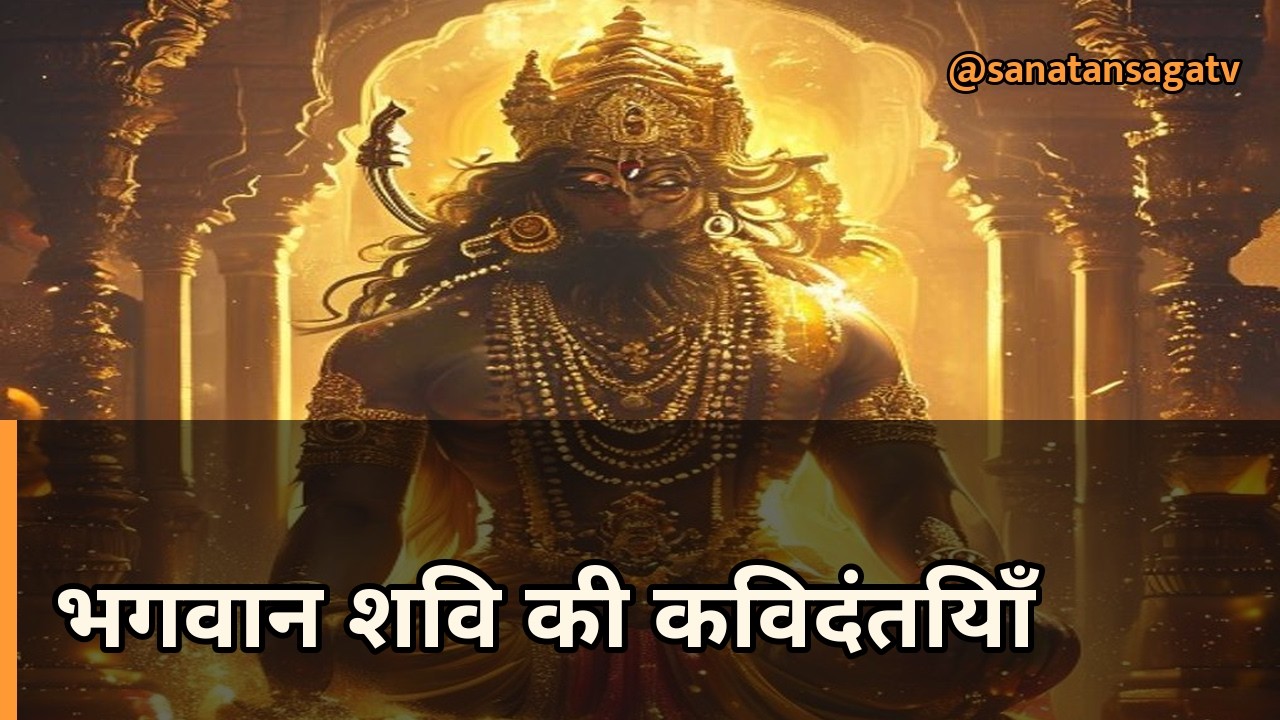
भगवान शिव: त्रिदेवों में अद्वितीय स्थान और स्वरूप की विशालता
June 25, 2026 — LiveStream
As an Amazon Associate I earn from qualifying purchases.
As an Amazon Associate I earn from qualifying purchases.
As an Amazon Associate I earn from qualifying purchases.
As an Amazon Associate I earn from qualifying purchases.
As an Amazon Associate I earn from qualifying purchases.
As an Amazon Associate I earn from qualifying purchases.
As an Amazon Associate I earn from qualifying purchases.
As an Amazon Associate I earn from qualifying purchases.
As an Amazon Associate I earn from qualifying purchases.
As an Amazon Associate I earn from qualifying purchases.
As an Amazon Associate I earn from qualifying purchases.
As an Amazon Associate I earn from qualifying purchases.
As an Amazon Associate I earn from qualifying purchases.
As an Amazon Associate I earn from qualifying purchases.
As an Amazon Associate I earn from qualifying purchases.
As an Amazon Associate I earn from qualifying purchases.
As an Amazon Associate I earn from qualifying purchases.
As an Amazon Associate I earn from qualifying purchases.
As an Amazon Associate I earn from qualifying purchases.
As an Amazon Associate I earn from qualifying purchases.
As an Amazon Associate I earn from qualifying purchases.
As an Amazon Associate I earn from qualifying purchases.
As an Amazon Associate I earn from qualifying purchases.
As an Amazon Associate I earn from qualifying purchases.
As an Amazon Associate I earn from qualifying purchases.
As an Amazon Associate I earn from qualifying purchases.
As an Amazon Associate I earn from qualifying purchases.
As an Amazon Associate I earn from qualifying purchases.
As an Amazon Associate I earn from qualifying purchases.
As an Amazon Associate I earn from qualifying purchases.
As an Amazon Associate I earn from qualifying purchases.
As an Amazon Associate I earn from qualifying purchases.
As an Amazon Associate I earn from qualifying purchases.
As an Amazon Associate I earn from qualifying purchases.
As an Amazon Associate I earn from qualifying purchases.
As an Amazon Associate I earn from qualifying purchases.
As an Amazon Associate I earn from qualifying purchases.
As an Amazon Associate I earn from qualifying purchases.
As an Amazon Associate I earn from qualifying purchases.
🛒 Recommended gear on AmazonDisclosure: some links above are affiliate links — if you buy through them I may earn a small commission at no extra cost to you. Thanks for supporting the channel!
As an Amazon Associate I earn from qualifying purchases.
सनातन धर्म में भगवान शिव त्रिदेवों में से एक ऐसे देव हैं, जिनकी महिमा अपरंपार और रहस्यमय है। उनकी शिव कथाएं मात्र कहानियां नहीं, बल्कि गहन दार्शनिक सत्यों, जीवन के चक्रों और आत्म-ज्ञान की ओर ले जाने वाले प्रेरणादायक प्रसंगों का संग्रह हैं। ये कथाएं हमें जीवन, मृत्यु, विनाश और सृजन के जटिल पहलुओं को समझने में मदद करती हैं, और यही कारण है कि 'द लीजेंड्स ऑफ शिव' जैसी प्रस्तुतियाँ आज भी प्रासंगिक बनी हुई हैं।
भगवान शिव, जिन्हें महादेव, भोलेनाथ, नीलकंठ और नटराज जैसे अनगिनत नामों से जाना जाता है, ब्रह्मांड के संहारक, संरक्षक और पुनरुत्थानकर्ता के रूप में पूजे जाते हैं। उनकी गाथाएँ समय, स्थान और धारणाओं की सीमाओं से परे जाती हैं, जो भक्तों और जिज्ञासुओं को समान रूप से आकर्षित करती हैं। इन शिव की कथाओं में सिर्फ देवताओं के कार्य ही नहीं, बल्कि मनुष्य की आंतरिक यात्रा, उसके संघर्षों, तपस्याओं और मोक्ष की खोज का भी गहरा चित्रण मिलता है।
हिन्दू धर्म में, भगवान शिव को 'त्रिदेवों' (ब्रह्मा, विष्णु, महेश) में 'महेश' या संहारक के रूप में प्रतिष्ठित किया गया है। लेकिन उनका कार्य केवल संहार तक सीमित नहीं है। वे नवसृजन के अग्रदूत, पालक और योगीश्वर भी हैं। उनका व्यक्तित्व विरोधाभासों से भरा है—एक ओर वे घोर तपस्वी हैं, तो दूसरी ओर गृहस्थ; एक ओर वे विनाशक हैं, तो दूसरी ओर करुणा के सागर। यह विशालता ही उन्हें अद्वितीय बनाती है।
शिव का परिचय: संहारक, पालक और योगी
- संहार का प्रतीक: शिव अपने रौद्र रूप में काल के भी नियंत्रक हैं। वे बुराई, अज्ञान और अहंकार का नाश करते हैं ताकि नई शुरुआत हो सके। उनका तीसरा नेत्र, जिसे ज्ञान नेत्र भी कहा जाता है, अज्ञानता के अंधकार को भस्म करने की शक्ति रखता है।
- पालक और दाता: भले ही उन्हें संहारक कहा जाता है, शिव अपने भक्तों के लिए 'भोलेनाथ' हैं, जो आसानी से प्रसन्न हो जाते हैं और वरदान देते हैं। वे औषधियों के देवता (वैद्यनाथ) और पशुओं के संरक्षक (पशुपतिनाथ) भी हैं।
- योगीश्वर: शिव को आदि योगी माना जाता है। वे योग, ध्यान और वैराग्य के प्रतीक हैं। कैलाश पर्वत पर समाधि में लीन शिव सभी योगियों के प्रेरणास्रोत हैं, जो आंतरिक शांति और आत्म-ज्ञान की ओर अग्रसर होने का मार्ग दिखाते हैं।
शिव का स्वरूप: प्रतीकों से भरा गहन दर्शन
भगवान शिव का प्रत्येक पहलू एक गहरा दार्शनिक संदेश लिए हुए है:
- भस्म: शरीर पर भस्म लगाना दर्शाता है कि संसार नश्वर है और अंत में सब कुछ राख हो जाएगा। यह वैराग्य और मृत्यु पर विजय का प्रतीक है।
- जटाएं और गंगा: उनकी घनी जटाएं ब्रह्मांड को धारण करने की शक्ति का प्रतीक हैं। गंगा को अपनी जटाओं में धारण कर उन्होंने पृथ्वी को पवित्र किया, जो उनके परोपकारी स्वभाव को दर्शाता है।
- चंद्रमा: उनके मस्तक पर अर्धचंद्र कालचक्र, समय और मन को नियंत्रित करने की क्षमता का प्रतीक है।
- सर्प: गले में लिपटा सर्प मृत्यु पर विजय और कुंडलिनी शक्ति का प्रतीक है, जो योग साधना से जागृत होती है।
- त्रिशूल: यह त्रिशूल सत्व, रज और तम - तीनों गुणों, या भूत, वर्तमान और भविष्य - तीनों कालों, तथा इच्छा, ज्ञान और क्रिया - तीनों शक्तियों का प्रतीक है।
- डमरू: डमरू से निकलने वाली ध्वनि 'नाद' को ब्रह्म का प्रतीक माना जाता है, जिससे सृष्टि का सृजन हुआ। यह शब्द और ब्रह्मांड की गति का प्रतीक है।
- व्याघ्रचर्म: यह अहंकार और वासनाओं पर विजय का प्रतीक है।
- नीलकंठ: समुद्र मंथन के दौरान हलाहल विष पीकर उन्होंने संसार की रक्षा की, जिससे उनका कंठ नीला पड़ गया। यह त्याग और परोपकार की पराकाष्ठा का प्रतीक है।
- अर्धनारीश्वर: शिव और शक्ति (पार्वती) के इस संयुक्त स्वरूप में नर और नारी, प्रकृति और पुरुष के शाश्वत मिलन और संतुलन का संदेश निहित है। यह द्वैत और अद्वैत के पार जाने का दर्शन है।
शिव की प्रमुख पौराणिक कथाएं और उनका गूढ़ अर्थ
भगवान शिव की कथाएँ न केवल मनोरंजक हैं, बल्कि वे नैतिक शिक्षाओं, आध्यात्मिक मार्गदर्शन और जीवन के गहरे सत्यों से परिपूर्ण हैं। ये कथाएँ हमें संघर्षों, त्याग, प्रेम और विजय के माध्यम से आत्म-बोध की यात्रा पर ले जाती हैं।
सती और दक्ष यज्ञ विध्वंस: प्रेम, त्याग और क्रोध की गाथा
यह कथा भगवान शिव के क्रोध, सती के त्याग और अहंकार के विनाश का सशक्त प्रतीक है। प्रजापति दक्ष ने अपनी पुत्री सती का विवाह शिव से किया, लेकिन वे शिव की अनाड़ी जीवनशैली और उनके स्वरूप से कभी सहमत नहीं थे। दक्ष ने एक विशाल यज्ञ का आयोजन किया, जिसमें सभी देवताओं को आमंत्रित किया, सिवाय शिव और सती के। सती अपने पति के अपमान को सहन नहीं कर सकीं और बिना निमंत्रण के अपने पिता के यज्ञ में पहुँच गईं। वहां उन्हें शिव के प्रति दक्ष के कटु वचन सुनने पड़े। अपने पति के अपमान से आहत सती ने स्वयं को यज्ञ की अग्नि में समर्पित कर दिया।
सती की मृत्यु का समाचार सुनकर शिव क्रोध से भर उठे। उन्होंने अपनी जटा से वीरभद्र और महाकाली को उत्पन्न किया, जिन्होंने दक्ष के यज्ञ को नष्ट कर दिया और दक्ष का सिर धड़ से अलग कर दिया। बाद में, देवताओं के अनुरोध पर, शिव ने दक्ष को बकरे का सिर लगाकर पुनर्जीवित किया, लेकिन यह घटना अहंकार के विनाश और सच्चे प्रेम के महत्व को दर्शाती है। सती के शरीर के अंग जहाँ-जहाँ गिरे, वे शक्ति पीठों के रूप में पूजे जाते हैं, जो आदि शक्ति की निरंतर उपस्थिति का प्रमाण हैं।
शिव विवाह: पार्वती और अर्धनारीश्वर का प्राकट्य
सती के आत्मदाह के बाद, शिव घोर तपस्या में लीन हो गए। उधर, तारकासुर नामक राक्षस का वध केवल शिव के पुत्र द्वारा ही संभव था। देवताओं ने शिव को पुनः गृहस्थ जीवन में लाने के लिए प्रयत्न किए। पर्वतराज हिमालय और मैना की पुत्री पार्वती, जो सती का ही अवतार थीं, ने शिव को पति रूप में पाने के लिए कठोर तपस्या की। देवताओं के कहने पर कामदेव ने शिव की तपस्या भंग करने का प्रयास किया, लेकिन शिव ने अपने तीसरे नेत्र से उन्हें भस्म कर दिया।
पार्वती की अटूट निष्ठा और तपस्या देखकर शिव अंततः उनसे विवाह के लिए राजी हो गए। यह विवाह प्रेम, समर्पण और तपस्या की विजय का प्रतीक है। इस विवाह से कार्तिकेय और गणेश का जन्म हुआ। शिव और पार्वती का मिलन अर्धनारीश्वर स्वरूप में भी प्रकट होता है, जहाँ शिव का आधा शरीर पुरुष (शिव) का और आधा नारी (पार्वती) का होता है। यह स्वरूप सृष्टि में पुरुष और प्रकृति के अविभाज्य संबंध और संतुलन का दार्शनिक संदेश देता है।
समुद्र मंथन और नीलकंठ
यह कथा त्याग और परोपकार की पराकाष्ठा को दर्शाती है। एक बार दुर्वासा ऋषि के शाप के कारण इंद्र और सभी देवता अपनी शक्ति खो बैठे। अपनी शक्ति पुनः प्राप्त करने के लिए देवताओं और असुरों ने मिलकर समुद्र मंथन करने का निर्णय लिया, ताकि अमृत प्राप्त हो सके। मंथन के दौरान चौदह रत्नों के साथ-साथ 'हलाहल' नामक एक भयानक विष भी निकला, जो पूरी सृष्टि को नष्ट करने की क्षमता रखता था।
कोई भी देवता या असुर इस विष को पीने को तैयार नहीं था। तब भगवान शिव ने संसार की रक्षा के लिए वह सारा हलाहल विष अपने कंठ में धारण कर लिया। उन्होंने विष को अंदर जाने से रोकने के लिए उसे अपने कंठ में ही रोक लिया, जिससे उनका कंठ नीला पड़ गया। तभी से वे 'नीलकंठ' कहलाए। यह घटना दर्शाता है कि ब्रह्मांड की भलाई के लिए शिव किसी भी त्याग के लिए तैयार रहते हैं और वे अपने भक्तों के संकटों को स्वयं पर ले लेते हैं।
गंगा अवतरण और शिव की जटाओं का महत्व
गंगा अवतरण की कथा शिव की परोपकारिता और उनकी विराट शक्ति का अद्भुत उदाहरण है। राजा सगर के साठ हजार पुत्रों को कपिल मुनि के क्रोध से मुक्ति दिलाने और उन्हें स्वर्ग प्राप्त कराने के लिए उनके वंशज भगीरथ ने कठोर तपस्या की। भगीरथ चाहते थे कि स्वर्ग में बहने वाली देवी गंगा पृथ्वी पर आएं और उनके पूर्वजों को मोक्ष प्रदान करें।
लेकिन गंगा का प्रवाह इतना प्रचंड था कि अगर वे सीधे पृथ्वी पर आतीं तो पृथ्वी उन्हें संभाल नहीं पाती और नष्ट हो जाती। इसलिए भगीरथ ने भगवान शिव की तपस्या की ताकि वे गंगा के वेग को धारण कर सकें। शिव ने प्रसन्न होकर अपनी विशाल जटाओं में गंगा को धारण किया और उन्हें छोटे-छोटे धाराओं में पृथ्वी पर प्रवाहित किया। इस प्रकार गंगा का अवतरण हुआ, जिसने न केवल सगर पुत्रों को मोक्ष दिया, बल्कि पृथ्वी को भी जीवनदायिनी जल से सिंचित किया। यह कथा शिव की संरक्षक भूमिका और उनके पर्यावरण प्रेम को भी दर्शाती है।
तांडव नृत्य और नटराज स्वरूप
भगवान शिव का 'तांडव' नृत्य केवल एक नृत्य नहीं, बल्कि सृष्टि के सृजन, स्थिति और संहार का एक शक्तिशाली प्रतीक है। यह ब्रह्मांड की गति, ऊर्जा और लय का प्रतिनिधित्व करता है। 'नटराज' के रूप में शिव को नृत्य करते हुए दर्शाया गया है, जिनके चारों ओर अग्नि का एक वलय है।
- नटराज: इस स्वरूप में शिव एक बौने राक्षस अपस्मार (अज्ञानता के प्रतीक) को अपने पैरों तले दबाए हुए हैं। एक हाथ में डमरू सृष्टि की ध्वनि का प्रतीक है, दूसरे में अग्नि संहार का। एक हाथ आशीर्वाद मुद्रा में है, तो दूसरा ऊपर उठा हुआ, जो उद्धार का मार्ग दर्शाता है। यह नृत्य जीवन और मृत्यु के शाश्वत चक्र को, और अज्ञानता पर ज्ञान की विजय को दर्शाता है।
- तांडव के प्रकार: शिव के तांडव के सात प्रमुख प्रकार माने जाते हैं, जिनमें आनंद तांडव (सृष्टि का नृत्य), संध्या तांडव (शाम का नृत्य), त्रिपुरा तांडव (त्रिपुरासुर का वध करने के बाद), संहार तांडव (विनाश का नृत्य) और उमा तांडव (पार्वती के साथ नृत्य) प्रमुख हैं। ये सभी ब्रह्मांडीय ऊर्जा के विभिन्न पहलुओं को दर्शाते हैं।
शिव की महिमा: उनके प्रतीक और दार्शनिक संदेश
शिव की महिमा केवल उनकी कथाओं तक सीमित नहीं है, बल्कि उनके प्रत्येक प्रतीक में गहन दार्शनिक सत्य छिपे हैं जो हमें आत्म-ज्ञान की ओर ले जाते हैं।
शिव लिंग और उसका महत्व
शिव लिंग भगवान शिव का निराकार स्वरूप है। यह केवल एक मूर्ति नहीं, बल्कि सृष्टि के आरंभ और अंतहीनता का प्रतीक है। 'लिंग' शब्द का अर्थ है 'चिह्न' या 'प्रतीक'। यह उस निराकार ब्रह्म का प्रतीक है जिससे पूरी सृष्टि उत्पन्न हुई और जिसमें अंततः विलीन हो जाएगी।
- सृजन और ऊर्जा: शिव लिंग शिव की रचनात्मक और विनाशकारी ऊर्जा दोनों का प्रतीक है। इसका ऊपरी गोलाकार भाग ब्रह्मांड का प्रतिनिधित्व करता है, जबकि निचला भाग, जिसे योनि कहा जाता है, शक्ति या रचनात्मक ऊर्जा का प्रतीक है। यह पुरुष (शिव) और प्रकृति (शक्ति) के मिलन से ही सृजन होता है, इस सिद्धांत को दर्शाता है।
- पूजा का केंद्र: शिव लिंग की पूजा भक्तों को निराकार परमात्मा से जुड़ने और अपनी चेतना को ऊर्ध्वगामी करने का अवसर प्रदान करती है। यह हमें यह सिखाता है कि ईश्वर केवल मानवीय रूपों में ही नहीं, बल्कि संपूर्ण ब्रह्मांड में व्याप्त है।
कैलाश पर्वत और शिव का वास
कैलाश पर्वत, जिसे 'शिव का निवास' माना जाता है, हिन्दू पौराणिक कथाओं में एक अत्यंत पवित्र और रहस्यमय स्थान है। यह केवल एक भौगोलिक स्थान नहीं, बल्कि आध्यात्मिक शांति, तपस्या और ज्ञान का प्रतीक है।
- आध्यात्मिक महत्व: कैलाश को आदि योगी शिव की समाधि स्थली माना जाता है। यह ध्यान और आत्म-चिंतन के लिए एक आदर्श स्थान है, जहाँ सांसारिक मोह-माया से परे होकर आत्मा परमात्मा से जुड़ सकती है। इसकी अलौकिक सुंदरता और दुर्गमता इसे और भी रहस्यमय बनाती है।
- मानसिक अर्थ: कैलाश पर्वत हमारी आत्मा की उस उच्चतम अवस्था का प्रतीक है जहाँ व्यक्ति सभी इच्छाओं और द्वेषों से मुक्त होकर पूर्ण शांति और आनंद प्राप्त करता है। यह हमारे भीतर के सर्वोच्च 'स्व' का प्रतिनिधित्व करता है।
शिव भक्ति के मार्ग: जप, तप और योग
भगवान शिव की भक्ति के कई मार्ग हैं, जो भक्तों को आध्यात्मिक उन्नति की ओर ले जाते हैं:
- महामृत्युंजय मंत्र: यह भगवान शिव को समर्पित एक शक्तिशाली मंत्र है, जो अकाल मृत्यु से रक्षा, स्वास्थ्य और दीर्घायु प्रदान करने वाला माना जाता है। इसका नियमित जप व्यक्ति को भयमुक्त कर आध्यात्मिक बल प्रदान करता है।
- रुद्राक्ष: रुद्राक्ष को भगवान शिव के अश्रुओं से उत्पन्न माना जाता है। इसे धारण करने से शांति, एकाग्रता और सकारात्मक ऊर्जा प्राप्त होती है। विभिन्न मुखी रुद्राक्षों का अलग-अलग महत्व है।
- शिव स्तोत्र और चालीसा: शिव चालीसा, शिव तांडव स्तोत्र और अन्य शिव स्तोत्रों का पाठ भगवान शिव की स्तुति कर उनका आशीर्वाद प्राप्त करने का सरल मार्ग है।
- योग और ध्यान: शिव स्वयं आदि योगी हैं, इसलिए योग और ध्यान उनके साथ जुड़ने का सबसे सीधा मार्ग है। योग के माध्यम से शरीर और मन को नियंत्रित कर व्यक्ति अपनी चेतना को शिव तत्व में विलीन कर सकता है। योग दर्शन का मूल भी शिव से ही जुड़ा है।
- शिवरात्रि व्रत: महाशिवरात्रि भगवान शिव का सबसे प्रमुख पर्व है, जब भक्तगण उपवास, जागरण और शिव लिंग पर जलाभिषेक कर उनकी पूजा करते हैं। यह आत्म-शुद्धि और शिव तत्व में लीन होने का पर्व है।
आधुनिक युग में शिव की प्रासंगिकता
आज के तेज-तर्रार और तनावपूर्ण जीवन में भगवान शिव की शिक्षाएं और कथाएं विशेष रूप से प्रासंगिक हैं। उनकी वैराग्य, संयम, ध्यान और संतुलन की अवधारणाएं हमें मानसिक शांति और जीवन में स्थिरता प्राप्त करने में मदद कर सकती हैं।
- पर्यावरण संरक्षण: गंगा को अपनी जटाओं में धारण करना और प्रकृति के साथ सद्भाव में रहना, शिव की पर्यावरण संरक्षण के प्रति जागरूकता को दर्शाता है। यह हमें प्रकृति का सम्मान करने और उसके साथ सामंजस्य बिठाने की प्रेरणा देता है।
- क्रोध और अहंकार का प्रबंधन: दक्ष यज्ञ विध्वंस की कथा हमें अहंकार के विनाश और क्रोध के परिणामों के बारे में सिखाती है। यह हमें अपने भीतर की नकारात्मक शक्तियों को पहचानकर उन्हें नियंत्रित करने का संदेश देती है।
- त्याग और परोपकार: नीलकंठ के रूप में हलाहल विष पीने की घटना हमें दूसरों के कल्याण के लिए त्याग करने और निस्वार्थ सेवा के महत्व को सिखाती है।
- आंतरिक शांति की खोज: शिव का योगी स्वरूप हमें ध्यान, योग और आत्म-चिंतन के माध्यम से आंतरिक शांति और आत्म-ज्ञान प्राप्त करने के लिए प्रेरित करता है, जो आधुनिक जीवन के तनावों से मुक्ति पाने का एक प्रभावी तरीका है।
सारांशतः, 'द लीजेंड्स ऑफ शिव' केवल प्राचीन गाथाएँ नहीं हैं, बल्कि वे जीवन के शाश्वत सत्यों, नैतिक मूल्यों और आध्यात्मिक दर्शन का एक गहरा स्रोत हैं। ये कथाएँ हमें यह सिखाती हैं कि जीवन में संतुलन, त्याग और आत्म-नियंत्रण कितना महत्वपूर्ण है। शिव का प्रत्येक रूप और प्रत्येक कथा हमें एक बेहतर इंसान बनने और ब्रह्मांडीय ऊर्जा से जुड़ने की प्रेरणा देती है।
Key Takeaways
- भगवान शिव त्रिदेवों में संहारक, पालक और योगीश्वर के रूप में अद्वितीय स्थान रखते हैं, जिनका स्वरूप गहन दार्शनिक प्रतीकों से भरा है।
- सती और दक्ष यज्ञ विध्वंस की कथा अहंकार के विनाश और सच्चे प्रेम के महत्व को दर्शाती है, जिससे शक्ति पीठों का निर्माण हुआ।
- शिव विवाह और अर्धनारीश्वर स्वरूप प्रेम, समर्पण और प्रकृति-पुरुष के संतुलन का प्रतीक है, जो सृष्टि के द्वैत-अद्वैत को समझाता है।
- समुद्र मंथन में हलाहल विष पीकर नीलकंठ बनना शिव के त्याग और परोपकार की पराकाष्ठा का उदाहरण है, जो विश्व कल्याण के लिए आत्म-बलिदान सिखाता है।
- शिव लिंग निराकार ब्रह्म और सृजन की ऊर्जा का प्रतीक है, जबकि कैलाश पर्वत आध्यात्मिक शांति और आत्म-ज्ञान की खोज का सर्वोच्च स्थान है।
Frequently Asked Questions
शिव कौन हैं और उनका हिन्दू धर्म में क्या महत्व है?
भगवान शिव हिन्दू धर्म के त्रिदेवों (ब्रह्मा, विष्णु, महेश) में से एक हैं, जिन्हें संहारक, पालक और योगीश्वर माना जाता है। वे ब्रह्मांड के सृजन, स्थिति और संहार के चक्र में महत्वपूर्ण भूमिका निभाते हैं और मोक्ष तथा आध्यात्मिक ज्ञान के दाता के रूप में पूजे जाते हैं। उनका महत्व उनके गहरे दार्शनिक स्वरूप, वैराग्य, त्याग और ब्रह्मांडीय ऊर्जा के प्रतीक के रूप में निहित है।
भगवान शिव को नीलकंठ क्यों कहते हैं?
भगवान शिव को नीलकंठ इसलिए कहते हैं क्योंकि समुद्र मंथन के दौरान जब 'हलाहल' नामक अत्यंत विषैला द्रव निकला, तो पूरी सृष्टि को बचाने के लिए उन्होंने उस विष को स्वयं पी लिया। उन्होंने उस विष को अपने कंठ में ही रोक लिया, जिससे उनका कंठ नीला पड़ गया। यह घटना उनके परम त्याग और परोपकार को दर्शाती है।
शिव लिंग का क्या महत्व है?
शिव लिंग भगवान शिव का निराकार स्वरूप है, जो सृष्टि के आरंभ और अंतहीनता का प्रतीक है। यह उस निराकार ब्रह्म का प्रतिनिधित्व करता है जिससे ब्रह्मांड की उत्पत्ति हुई और जिसमें अंततः यह विलीन हो जाएगा। यह पुरुष (शिव) और प्रकृति (शक्ति) के मिलन और सृजन की ऊर्जा को भी दर्शाता है, जिससे भक्तों को निराकार परमात्मा से जुड़ने में मदद मिलती है।
शिव तांडव क्या है और नटराज स्वरूप का क्या अर्थ है?
शिव तांडव भगवान शिव का शक्तिशाली, ब्रह्मांडीय नृत्य है जो सृष्टि के सृजन, स्थिति और संहार के चक्र को दर्शाता है। यह ब्रह्मांड की गति, ऊर्जा और लय का प्रतीक है। नटराज स्वरूप शिव का वह रूप है जिसमें उन्हें नृत्य करते हुए दर्शाया गया है। यह स्वरूप अज्ञानता पर ज्ञान की विजय, जीवन और मृत्यु के शाश्वत चक्र, और ब्रह्मांडीय ऊर्जा के निरंतर प्रवाह को दर्शाता है।
भगवान शिव की इन अनंत कथाओं और उनके गहरे दार्शनिक संदेशों को और अधिक गहराई से समझने के लिए, हम आपको ‘द लीजेंड्स ऑफ शिव’ वीडियो देखने के लिए आमंत्रित करते हैं। इस अद्भुत प्रस्तुति के माध्यम से आप महादेव की महिमा और उनके विभिन्न पहलुओं से परिचित हो सकते हैं। @sanatansagatv चैनल को सब्सक्राइब करना न भूलें ताकि आप सनातन धर्म के ऐसे ही और भी प्रेरणादायक वीडियो से जुड़े रहें।