रामायण: भारतीय संस्कृति की आत्मा और एक शाश्वत महाकाव्य
June 25, 2026 — LiveStream
As an Amazon Associate I earn from qualifying purchases.
As an Amazon Associate I earn from qualifying purchases.
As an Amazon Associate I earn from qualifying purchases.
As an Amazon Associate I earn from qualifying purchases.
As an Amazon Associate I earn from qualifying purchases.
As an Amazon Associate I earn from qualifying purchases.
As an Amazon Associate I earn from qualifying purchases.
As an Amazon Associate I earn from qualifying purchases.
As an Amazon Associate I earn from qualifying purchases.
As an Amazon Associate I earn from qualifying purchases.
As an Amazon Associate I earn from qualifying purchases.
As an Amazon Associate I earn from qualifying purchases.
As an Amazon Associate I earn from qualifying purchases.
As an Amazon Associate I earn from qualifying purchases.
As an Amazon Associate I earn from qualifying purchases.
As an Amazon Associate I earn from qualifying purchases.
As an Amazon Associate I earn from qualifying purchases.
As an Amazon Associate I earn from qualifying purchases.
As an Amazon Associate I earn from qualifying purchases.
As an Amazon Associate I earn from qualifying purchases.
As an Amazon Associate I earn from qualifying purchases.
As an Amazon Associate I earn from qualifying purchases.
As an Amazon Associate I earn from qualifying purchases.
As an Amazon Associate I earn from qualifying purchases.
As an Amazon Associate I earn from qualifying purchases.
As an Amazon Associate I earn from qualifying purchases.
As an Amazon Associate I earn from qualifying purchases.
As an Amazon Associate I earn from qualifying purchases.
As an Amazon Associate I earn from qualifying purchases.
As an Amazon Associate I earn from qualifying purchases.
As an Amazon Associate I earn from qualifying purchases.
As an Amazon Associate I earn from qualifying purchases.
As an Amazon Associate I earn from qualifying purchases.
As an Amazon Associate I earn from qualifying purchases.
As an Amazon Associate I earn from qualifying purchases.
As an Amazon Associate I earn from qualifying purchases.
As an Amazon Associate I earn from qualifying purchases.
As an Amazon Associate I earn from qualifying purchases.
🛒 Recommended gear on AmazonDisclosure: some links above are affiliate links — if you buy through them I may earn a small commission at no extra cost to you. Thanks for supporting the channel!
As an Amazon Associate I earn from qualifying purchases.
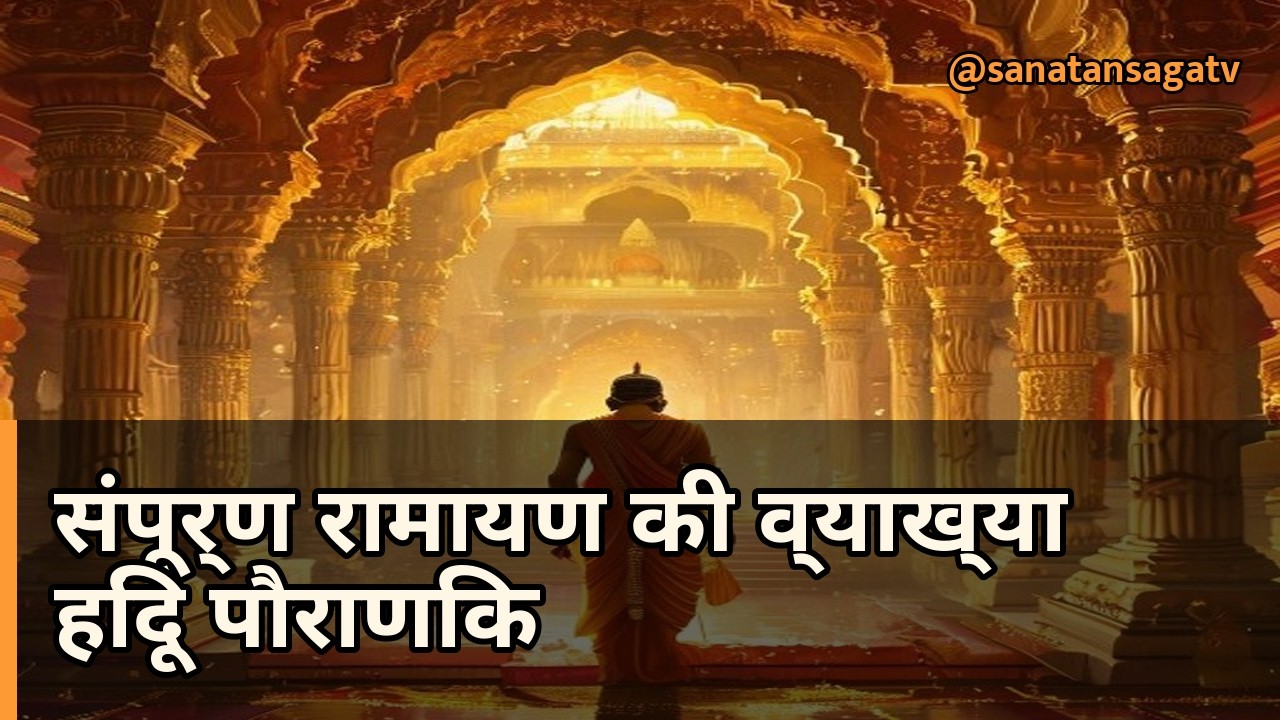
रामायण, भारतीय उपमहाद्वीप की सबसे पवित्र और प्रभावशाली महाकाव्यों में से एक है, जो भगवान राम के जीवन, आदर्शों और धर्म की स्थापना की अविस्मरणीय गाथा प्रस्तुत करती है। यह केवल एक कहानी नहीं, बल्कि नैतिकता, त्याग, भक्ति और कर्तव्यपरायणता का एक शाश्वत ग्रंथ है, जो सदियों से असंख्य पीढ़ियों का मार्गदर्शन करता आ रहा है। यह महाकाव्य मानव जीवन के हर पहलू को छूता है, चाहे वह व्यक्तिगत संबंध हों, शासन के सिद्धांत हों, या फिर नैतिक चुनौतियाँ, रामायण हमें जीवन के गूढ़ रहस्यों और संघर्षों का सामना करने की प्रेरणा देती है। @sanatansagatv चैनल द्वारा प्रस्तुत यह वीडियो इसी दिव्य गाथा के सार को संक्षेप में प्रस्तुत करता है, पर हम यहां इसके हर पहलू को गहराई से समझने का प्रयास करेंगे।
रामायण का शाब्दिक अर्थ है "राम का मार्ग" या "राम की यात्रा"। यह भारतीय साहित्य और संस्कृति की आधारशिला है, जिसे आदि कवि महर्षि वाल्मीकि ने संस्कृत भाषा में लिखा था। बाद में, गोस्वामी तुलसीदास ने अवधी भाषा में इसे रामचरितमानस के रूप में पुनः रचा, जिसने इसे जन-जन तक पहुँचाया और इसकी लोकप्रियता को अतुलनीय बना दिया। रामायण केवल एक पौराणिक कथा नहीं, बल्कि एक ऐसा दर्पण है जिसमें हम अपने मानवीय मूल्यों, सामाजिक संरचनाओं और आध्यात्मिक आकांक्षाओं को देख सकते हैं। यह हमें सिखाता है कि जीवन में कितनी भी कठिनाइयाँ क्यों न आएं, धर्म और सत्य के मार्ग पर चलते हुए ही विजय प्राप्त की जा सकती है।
इस महाकाव्य में भगवान विष्णु के सातवें अवतार, मर्यादा पुरुषोत्तम राम के जीवन और उनकी यात्रा का वर्णन है। यह अयोध्या के राजा दशरथ के पुत्र राम के जन्म से लेकर उनके वनवास, पत्नी सीता के अपहरण, लंका के राजा रावण के साथ युद्ध, और अंततः अयोध्या में उनके राज्याभिषेक तक की कहानी को समेटे हुए है। रामायण केवल एक युद्ध की कहानी नहीं, बल्कि यह पारिवारिक रिश्तों की जटिलताओं, मित्र धर्म, पत्नी धर्म, पुत्र धर्म, राज धर्म और प्रजा के प्रति राजा के कर्तव्यों का भी विस्तृत विवेचन करती है। यह अच्छाई और बुराई के बीच के शाश्वत संघर्ष को दर्शाती है, जहाँ अंततः धर्म की ही जीत होती है।
रामायण का प्रभाव केवल भारत तक ही सीमित नहीं है, बल्कि इसने दक्षिण-पूर्व एशिया के कई देशों जैसे थाईलैंड, इंडोनेशिया, मलेशिया, कंबोडिया और लाओस की संस्कृति, कला और साहित्य को भी गहराई से प्रभावित किया है। इन देशों में रामायण के विभिन्न संस्करण और स्थानीय लोककथाएँ प्रचलित हैं, जो इस महाकाव्य की सार्वभौमिक अपील को प्रमाणित करती हैं। यह महाकाव्य सदियों से लोक नाट्य, संगीत, नृत्य, चित्रकला और मूर्तिकला के माध्यम से जीवंत रहा है। इसके संदेश और पात्र आज भी लोगों के जीवन में प्रेरणा और मार्गदर्शन का स्रोत बने हुए हैं।
रामायण की दिव्य कथा: मर्यादा पुरुषोत्तम राम का जीवन-मार्ग
रामायण की कथा अनंत और प्रेरणादायक है, जो हमें जीवन के हर चरण में नैतिक मूल्यों और आदर्शों का पालन करने की शिक्षा देती है।
अयोध्या का राजकुमार: राम का जन्म और प्रारंभिक जीवन
पौराणिक कथाओं के अनुसार, अयोध्या के राजा दशरथ को संतानहीनता का दुख था। उन्होंने महर्षि वशिष्ठ के सुझाव पर पुत्रकामेष्टि यज्ञ करवाया, जिसके फलस्वरूप उनकी तीन रानियों – कौशल्या, कैकेयी और सुमित्रा – को पुत्र रत्न की प्राप्ति हुई। रानी कौशल्या ने भगवान राम को जन्म दिया, कैकेयी ने भरत को, और सुमित्रा ने लक्ष्मण तथा शत्रुघ्न को। राम बचपन से ही शांत, धैर्यवान और तेजस्वी स्वभाव के थे। वे अपनी प्रजा और परिवार के सभी सदस्यों के प्रिय थे। उनका पालन-पोषण राजकुमारों के लिए उचित सभी विद्याओं और शस्त्रकला के ज्ञान के साथ हुआ।
विश्वामित्र के साथ: शिक्षा और ताड़का वध
जब राम और लक्ष्मण युवावस्था में प्रवेश कर रहे थे, तब महर्षि विश्वामित्र अयोध्या आए और राजा दशरथ से राम को अपने यज्ञ की रक्षा के लिए भेजने का आग्रह किया, क्योंकि राक्षस उनके यज्ञ में बाधा डाल रहे थे। संकोच के बावजूद, दशरथ ने राम और लक्ष्मण को विश्वामित्र के साथ भेज दिया। इस यात्रा के दौरान, राम ने ताड़का जैसी राक्षसी का वध किया और अनेक असुरों का संहार कर ऋषि-मुनियों के यज्ञों की रक्षा की। विश्वामित्र ने उन्हें अनेक दिव्य अस्त्र-शस्त्रों का ज्ञान भी प्रदान किया, जिससे वे भविष्य के विशाल युद्ध के लिए तैयार हुए। यह घटना राम के साहस, आज्ञाकारिता और धर्म के प्रति उनकी निष्ठा को दर्शाती है।
सीता स्वयंवर और विवाह
विश्वामित्र राम और लक्ष्मण को मिथिला नगरी ले गए, जहाँ राजा जनक ने अपनी पुत्री सीता के स्वयंवर का आयोजन किया था। स्वयंवर की शर्त थी कि जो शिव धनुष 'पिनाक' को उठाकर उसकी प्रत्यंचा चढ़ाएगा, उसी से सीता का विवाह होगा। अनेक पराक्रमी राजाओं और राजकुमारों के विफल होने के बाद, राम ने सहजता से धनुष को उठा लिया और प्रत्यंचा चढ़ाते समय वह टूट गया। इस घटना ने राम के असाधारण बल और दैवीय शक्ति को प्रकट किया। सीता ने राम को अपना जीवनसाथी चुना, और इस प्रकार उनका विवाह संपन्न हुआ। राम-सीता का विवाह भारतीय संस्कृति में आदर्श प्रेम और वैवाहिक पवित्रता का प्रतीक बन गया।
वनवास: एक पिता की प्रतिज्ञा और पुत्र का त्याग
अयोध्या में राम के राज्याभिषेक की तैयारियाँ चल रही थीं, तभी राजा दशरथ की सबसे छोटी रानी कैकेयी ने अपनी दासी मंथरा के बहकावे में आकर दशरथ से दो वर मांगे। पहला वर था भरत को राजा बनाना और दूसरा, राम को चौदह वर्ष का वनवास। दशरथ अपनी प्रतिज्ञा के कारण विवश थे, और राम ने बिना किसी विरोध या दुख के अपने पिता की आज्ञा का पालन किया। सीता और लक्ष्मण भी उनके साथ वनवास जाने के लिए दृढ़ संकल्पित थे। यह घटना राम के पितृभक्ति, कर्तव्यनिष्ठा और त्याग का सर्वोच्च उदाहरण है। वनवास की यह अवधि केवल एक सजा नहीं थी, बल्कि यह उनके जीवन को और भी दृढ़ बनाने और धर्म की स्थापना के लिए एक दैवीय योजना थी। इस दौरान उन्होंने विभिन्न ऋषियों, मुनियों और तपस्वियों से भेंट की, जिनसे उन्हें महत्वपूर्ण ज्ञान और अनुभव प्राप्त हुए।
सीता हरण और हनुमान का पराक्रम
वनवास के दौरान, एक घटना ने रामायण की दिशा बदल दी। लंका का राजा रावण, अपनी बहन शूर्पणखा के अपमान का बदला लेने के लिए, मायावी हिरण के रूप में मारीच को भेजकर राम और लक्ष्मण को आश्रम से दूर ले गया और फिर भिक्षु का वेश धारण कर सीता का हरण कर लंका ले गया। यह घटना सीता हरण के नाम से जानी जाती है। राम और लक्ष्मण ने सीता की खोज में अनेक कष्ट झेले। इसी दौरान उनकी भेंट वानरराज सुग्रीव और उनके शक्तिशाली मंत्री हनुमान से हुई। हनुमान ने अपनी अद्भुत शक्ति और भक्ति का परिचय देते हुए विशाल समुद्र लांघकर लंका पहुंचे, सीता का पता लगाया, उन्हें राम का संदेश दिया और लंका दहन कर राम को सीता का समाचार सुनाया। हनुमान की यह यात्रा, उनकी निस्वार्थ सेवा और भक्ति का चरम बिंदु है, जो उन्हें चिरंजीवी और पूज्य बनाता है।
लंका विजय और रावण वध
सीता का पता चलने के बाद, राम ने वानर सेना और भालुओं की सहायता से समुद्र पर 'रामसेतु' का निर्माण किया और लंका पर चढ़ाई की। रावण एक महान विद्वान, तपस्वी और शक्तिशाली योद्धा था, लेकिन उसका अहंकार और अधर्म ही उसके पतन का कारण बना। रावण ने राम को कई बार चुनौती दी, लेकिन अंततः राम ने भीषण युद्ध के बाद रावण का वध कर दिया। यह युद्ध धर्म और अधर्म के बीच का महायुद्ध था, जिसमें सत्य और न्याय की विजय हुई। विभीषण, रावण के भाई, जो धर्म के पक्षधर थे, ने राम का साथ दिया और लंका के नए राजा बने।
अयोध्या वापसी और राम राज्य की स्थापना
रावण का वध करने के बाद, राम, सीता, लक्ष्मण और हनुमान सहित अपनी सेना के साथ पुष्पक विमान में अयोध्या लौटे। भरत ने चौदह वर्षों तक राम की खड़ाऊँ रखकर राजकाज संभाला था और उन्होंने खुशी-खुशी राम को राजसिंहासन लौटा दिया। राम के राज्याभिषेक के साथ ही 'राम राज्य' की स्थापना हुई, जो आदर्श शासन, न्याय, शांति और समृद्धि का प्रतीक है। राम राज्य में प्रजा सुखी और संतुष्ट थी, किसी को किसी प्रकार का कष्ट नहीं था। यह आदर्श शासन व्यवस्था आज भी राजनेताओं और समाजशास्त्रियों के लिए एक प्रेरणा है।
रामायण के प्रमुख पात्र और उनके गहन अर्थ
रामायण की गहराई उसके पात्रों में निहित है, जिनमें से प्रत्येक एक विशेष मानवीय गुण या दोष का प्रतीक है।
भगवान राम: आदर्श पुरुषोत्तम
भगवान राम को 'मर्यादा पुरुषोत्तम' कहा जाता है, जिसका अर्थ है 'पुरुषों में सबसे उत्तम, जो मर्यादाओं का पालन करते हैं'। वे धैर्य, संयम, दया, पराक्रम, न्याय और कर्तव्यपरायणता के प्रतीक हैं। उन्होंने अपने जीवन में कभी भी धर्म के मार्ग का त्याग नहीं किया, चाहे कितनी भी कठिन परिस्थितियाँ क्यों न आईं। उनका जीवन पुत्र, पति, भाई, राजा और मित्र के रूप में एक आदर्श स्थापित करता है। वे सिखाते हैं कि व्यक्तिगत सुख से बढ़कर धर्म और प्रजा का हित होता है।
देवी सीता: पवित्रता और सहिष्णुता की प्रतिमूर्ति
देवी सीता, राम की पत्नी, पवित्रता, निष्ठा, साहस और सहिष्णुता का सर्वोच्च प्रतीक हैं। उन्होंने अपने पति के साथ वनवास के सभी कष्ट झेले, रावण के कारावास में भी अपनी पवित्रता और मर्यादा बनाए रखी। उनका जीवन नारी शक्ति और आत्मविश्वास का उदाहरण है। वे हमें सिखाती हैं कि आंतरिक शक्ति और विश्वास से बड़ी से बड़ी चुनौती का सामना किया जा सकता है।
लक्ष्मण, भरत, शत्रुघ्न: भ्रातृ प्रेम का प्रतीक
राम के तीनों भाई - लक्ष्मण, भरत और शत्रुघ्न - भ्रातृ प्रेम और त्याग के अद्वितीय उदाहरण हैं। लक्ष्मण ने अपने बड़े भाई के प्रति अटूट भक्ति और सेवा का प्रदर्शन करते हुए चौदह वर्षों तक उनके साथ वनवास किया। भरत ने राम की खड़ाऊँ को सिंहासन पर रखकर उनके लौटने तक शासन किया, जो उनके त्याग और बड़े भाई के प्रति सम्मान को दर्शाता है। शत्रुघ्न ने भी अपने भाइयों का अनुसरण किया। ये भाई हमें पारिवारिक एकता और निस्वार्थ प्रेम का महत्व सिखाते हैं।
हनुमान: निस्वार्थ सेवा और भक्ति का चरम
हनुमान, भगवान राम के सबसे प्रिय भक्त और उनके सबसे शक्तिशाली सहयोगी हैं। वे बल, बुद्धि, विद्या, साहस और निस्वार्थ सेवा के प्रतीक हैं। उनकी भक्ति अतुलनीय है और वे 'संकटमोचन' के रूप में पूजे जाते हैं। हनुमान का चरित्र सिखाता है कि सच्ची भक्ति और समर्पण से कोई भी असंभव कार्य संभव हो सकता है। उनका हर कार्य राम के प्रति उनके अनन्य प्रेम और विश्वास से प्रेरित था।
रावण: अहंकार और ज्ञान का द्वंद्व
लंका का राजा रावण, रामायण के सबसे जटिल और विरोधाभासी पात्रों में से एक है। वह एक महान विद्वान, परम शिव भक्त, कुशल योद्धा और अतुलनीय शक्तिशाली था। उसके पास चारों वेदों और अन्य शास्त्रों का गहन ज्ञान था, लेकिन उसका अहंकार और धर्मविमुखता ही उसके पतन का कारण बनी। रावण का चरित्र हमें सिखाता है कि ज्ञान और शक्ति तब तक निरर्थक हैं, जब तक वे धर्म और नैतिकता के मार्ग पर न चलें। अहंकार किसी भी व्यक्ति को उसके पतन की ओर ले जा सकता है, चाहे वह कितना भी शक्तिशाली क्यों न हो।
अन्य महत्वपूर्ण पात्र: दशरथ, कैकेयी, मंथरा, विभीषण, मंदोदरी
- दशरथ: एक आदर्श राजा और पिता, जो अपनी प्रतिज्ञाओं के प्रति दृढ़ थे, लेकिन कैकेयी के वरदान के कारण पुत्र वियोग में प्राण त्याग दिए।
- कैकेयी: पहले राम से प्रेम करने वाली, लेकिन मंथरा के बहकावे में आकर परिवार में कलह का कारण बनी।
- मंथरा: ईर्ष्या और द्वेष का प्रतीक, जिसने अपने स्वार्थ के लिए परिवार को तोड़ने का काम किया।
- विभीषण: रावण का धर्मपरायण भाई, जिसने अधर्म के विरुद्ध धर्म का साथ दिया और अंततः लंका का राजा बना।
- मंदोदरी: रावण की पत्नी, एक पतिव्रता और बुद्धिमती स्त्री, जिसने रावण को धर्म के मार्ग पर चलने की सलाह दी, पर वह असफल रही।
रामायण के शाश्वत संदेश और आधुनिक प्रासंगिकता
रामायण केवल एक प्राचीन कथा नहीं, बल्कि इसमें निहित संदेश आज के आधुनिक समाज में भी उतने ही प्रासंगिक हैं।
धर्म, कर्म और कर्तव्य का पाठ
रामायण का मूल संदेश धर्म का पालन करना है। राम, सीता, लक्ष्मण और यहाँ तक कि विभीषण जैसे पात्र भी धर्म के मार्ग पर चलने के लिए बड़े से बड़े त्याग करते हैं। यह हमें सिखाता है कि सही और गलत के बीच चुनाव करते समय, धर्म और नैतिकता को प्राथमिकता देनी चाहिए। हमारे कर्मों का फल निश्चित रूप से मिलता है, और कर्तव्यपरायणता ही हमें सफलता और शांति की ओर ले जाती है। यह आज के भागदौड़ भरे जीवन में नैतिक मूल्यों और व्यक्तिगत जिम्मेदारियों के महत्व को रेखांकित करता है।
त्याग और बलिदान का महत्व
राम का राजसिंहासन का त्याग, सीता का पति के साथ वनगमन, लक्ष्मण का निद्रा और सुख का त्याग, और भरत का सिंहासन पर राम की पादुका रखकर राजकाज चलाना—ये सभी त्याग और बलिदान के अनुपम उदाहरण हैं। रामायण हमें सिखाती है कि महान लक्ष्य की प्राप्ति के लिए व्यक्तिगत स्वार्थों का त्याग आवश्यक है। यह आज भी परिवार, समाज और राष्ट्र के प्रति निस्वार्थ सेवा और बलिदान की भावना को प्रेरित करता है।
भक्ति और विश्वास की शक्ति
हनुमान की राम के प्रति अटूट भक्ति, शबरी की राम के आगमन की प्रतीक्षा, और निषादराज की मित्रता - ये सभी भक्ति और विश्वास की शक्ति को दर्शाते हैं। यह हमें सिखाता है कि सच्ची श्रद्धा और विश्वास से असंभव को भी संभव किया जा सकता है। आध्यात्मिक शक्ति का स्रोत आंतरिक विश्वास में ही निहित है। आधुनिक समय में जब लोग अक्सर अकेला महसूस करते हैं, तो भक्ति और किसी उच्च शक्ति में विश्वास उन्हें मानसिक शांति और शक्ति प्रदान कर सकता है।
न्याय और नीति का मार्ग
राम का शासन न्याय और नीति पर आधारित था। उन्होंने अधर्मी रावण का वध कर धर्म की स्थापना की। यह हमें सिखाता है कि समाज में न्याय और व्यवस्था बनाए रखने के लिए अधर्म और अन्याय के खिलाफ खड़ा होना आवश्यक है। सुशासन और पारदर्शिता किसी भी समाज की प्रगति के लिए आवश्यक हैं। आज के समय में जब भ्रष्टाचार और अन्याय की खबरें अक्सर आती हैं, तब राम राज्य की अवधारणा एक आदर्श स्थापित करती है।
पारिवारिक मूल्य और संबंध
रामायण पारिवारिक संबंधों की जटिलताओं और आदर्शों को खूबसूरती से चित्रित करती है। राम का पितृभक्ति, भाइयों का प्रेम, सीता की पतिव्रता - ये सभी आदर्श पारिवारिक मूल्यों को दर्शाते हैं। यह हमें सिखाता है कि परिवार के सदस्यों के बीच प्रेम, सम्मान, समझ और त्याग से ही एक मजबूत और सुखी परिवार का निर्माण होता है। आधुनिक परिवारों में बढ़ती दूरियों के बीच, रामायण हमें अपने रिश्तों को मजबूत करने की प्रेरणा देती है।
नेतृत्व और सुशासन के आदर्श
भगवान राम एक आदर्श राजा और नेता थे। उन्होंने अपनी प्रजा के कल्याण को सदैव प्राथमिकता दी। उन्होंने अपनी प्रजा के विश्वास और धर्म के सिद्धांतों के आधार पर शासन किया। उनका नेतृत्व समावेशी, न्यायपूर्ण और प्रजा-केंद्रित था। यह आज के नेताओं के लिए भी एक मार्गदर्शक सिद्धांत है कि वास्तविक नेतृत्व सेवा और त्याग पर आधारित होता है। एक सच्चे नेता को अपनी प्रजा के सुख-दुख को अपना समझना चाहिए।
रामायण के विभिन्न स्वरूप और वैश्विक प्रभाव
रामायण केवल एक ही नहीं, बल्कि विभिन्न संस्कृतियों और भाषाओं में अनेक रूपों में विद्यमान है, जो इसकी व्यापकता और सार्वभौमिक अपील को दर्शाती है।
वाल्मीकि रामायण बनाम रामचरितमानस
महर्षि वाल्मीकि द्वारा रचित संस्कृत रामायण को आदिकाव्य माना जाता है, जो राम के जीवन का मूल और सबसे प्राचीन वर्णन प्रस्तुत करता है। यह साहित्यिक और काव्यात्मक दृष्टि से उत्कृष्ट है। दूसरी ओर, गोस्वामी तुलसीदास द्वारा १६वीं शताब्दी में अवधी भाषा में रचित रामचरितमानस, भक्ति भाव से ओतप्रोत है और यह आम जनमानस तक रामायण के संदेश को पहुँचाने में अत्यंत सफल रहा। इन दोनों में कथा के मूल में समानता है, लेकिन प्रस्तुतीकरण, भाषा शैली और कुछ बारीक विवरणों में अंतर पाया जाता है। वाल्मीकि रामायण में राम को एक आदर्श मानव के रूप में दिखाया गया है जो दैवीय गुणों से युक्त हैं, जबकि रामचरितमानस में राम को साक्षात भगवान विष्णु का अवतार माना गया है।
क्षेत्रीय और लोक रामायण
भारत के विभिन्न क्षेत्रों में स्थानीय भाषाओं में अनेक रामायणें लिखी गई हैं, जैसे तमिल में कंब रामायणम, कन्नड़ में तोरवे रामायण, उड़िया में बिलंका रामायण, और बंगाली में कृत्तिबासी रामायण। इन क्षेत्रीय रामायणों में स्थानीय संस्कृति, रीति-रिवाजों और लोककथाओं का प्रभाव देखने को मिलता है, जिससे कथा में कुछ नए पहलू जुड़ जाते हैं या कुछ पात्रों का चित्रण भिन्न तरीके से किया जाता है। ये रामायणें यह दर्शाती हैं कि कैसे एक ही मूल कथा विभिन्न संस्कृतियों में ढलकर भी अपनी आत्मा को बनाए रखती है।
जैन और बौद्ध रामायण
यह जानकर आश्चर्य हो सकता है कि रामायण के जैन और बौद्ध संस्करण भी मौजूद हैं। जैन रामायण में राम (पद्म) को एक जैन तीर्थंकर के रूप में चित्रित किया गया है, और रावण को एक प्रति-वासुदेव, जो जैन धर्म के नैतिक सिद्धांतों के तहत अपनी भूमिका निभाते हैं। इसी प्रकार, बौद्ध जातक कथाओं में दशरथ जातक जैसी कहानियाँ मिलती हैं, जहाँ राम और सीता भाई-बहन के रूप में चित्रित हैं और उनका विवाह नहीं होता। ये संस्करण धार्मिक सहिष्णुता और एक ही कथा के विभिन्न दृष्टिकोणों को समझने का अवसर प्रदान करते हैं।
दक्षिण-पूर्व एशियाई देशों में रामायण
रामायण का प्रभाव भारत की सीमाओं से परे जाकर दक्षिण-पूर्व एशिया के कई देशों में फैला है। थाईलैंड में 'रामकीएन', इंडोनेशिया में 'काकाविन रामायण', मलेशिया में 'हिकायत सेरी राम', और लाओस में 'फरा लक फरा लाम' जैसे रामायण के रूपांतरण प्रचलित हैं। इन देशों में रामायण न केवल साहित्यिक कृतियों के रूप में, बल्कि मंदिर वास्तुकला, नृत्य-नाटिकाओं, कठपुतली शो और लोक कलाओं के माध्यम से भी जीवित है। ये रूपांतरण मूल कथा के साथ-साथ स्थानीय मान्यताओं और सांस्कृतिक तत्वों को भी समाहित करते हैं, जिससे वे उस क्षेत्र के लोगों के लिए अधिक प्रासंगिक हो जाते हैं। यह रामायण की अविश्वसनीय अनुकूलन क्षमता और सार्वभौमिक अपील का प्रमाण है।
कला, साहित्य और संस्कृति पर प्रभाव
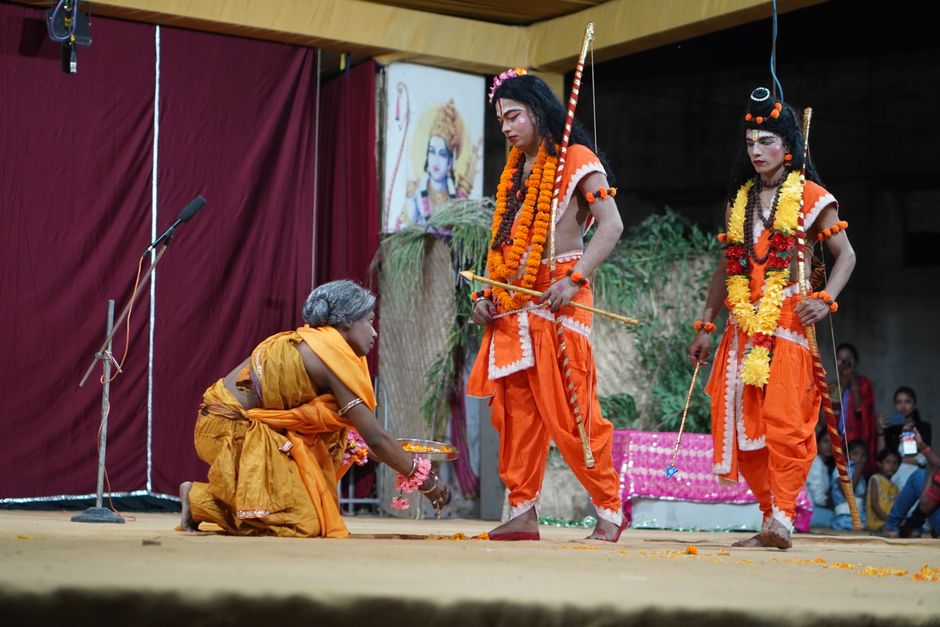
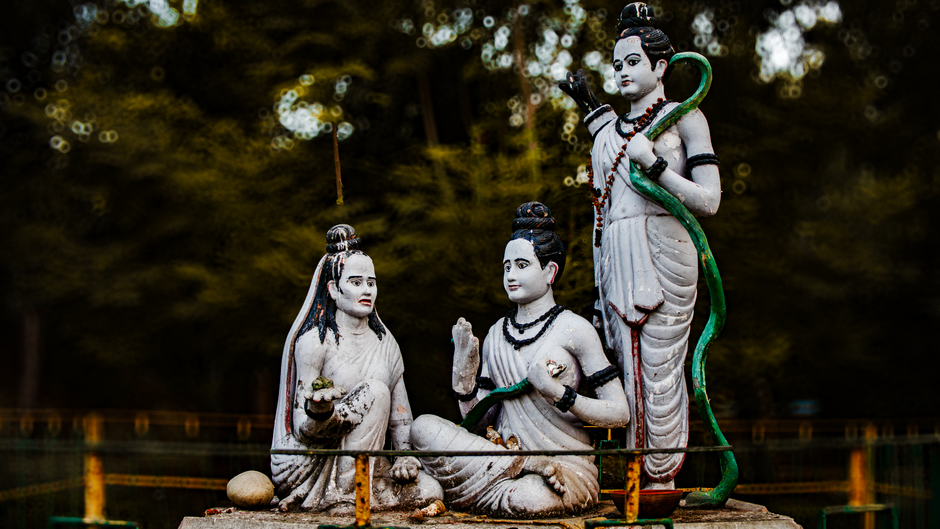
रामायण ने भारतीय कला और साहित्य को गहरा प्रभाव दिया है। हजारों वर्षों से यह काव्य, नाटक, संगीत, नृत्य, चित्रकला, मूर्तिकला और लोक कलाओं की प्रेरणा रहा है। रामायण की कहानियों को मंदिरों की दीवारों पर उकेरा गया है, नाट्य मंचों पर प्रस्तुत किया गया है, और लोक गीतों में गाया गया है। त्योहारों जैसे दशहरा और दिवाली का संबंध भी रामायण की घटनाओं से है। यह महाकाव्य न केवल मनोरंजन का साधन है, बल्कि यह नैतिक शिक्षा और सांस्कृतिक पहचान का एक अटूट हिस्सा भी है। इसका अध्ययन हमें अपनी जड़ों और मूल्यों को समझने में मदद करता है।
Key Takeaways
- रामायण महर्षि वाल्मीकि द्वारा रचित एक प्राचीन भारतीय महाकाव्य है, जो भगवान राम के जीवन और धर्म की स्थापना की गाथा है।
- यह महाकाव्य राम के जन्म, सीता स्वयंवर, वनवास, सीता हरण, हनुमान का पराक्रम, रावण वध और राम राज्य की स्थापना तक की यात्रा को दर्शाता है।
- राम, सीता, लक्ष्मण, हनुमान, रावण जैसे इसके प्रमुख पात्र मानवीय गुणों और दोषों के प्रतीक हैं, जिनसे हमें जीवन के गहरे अर्थों की शिक्षा मिलती है।
- रामायण के शाश्वत संदेश जैसे धर्म का पालन, त्याग, भक्ति, न्याय, पारिवारिक मूल्य और सुशासन आज भी आधुनिक समाज में अत्यंत प्रासंगिक हैं।
- भारत और दक्षिण-पूर्व एशिया में रामायण के अनेक क्षेत्रीय, जैन, बौद्ध और लोक रूपांतरण मौजूद हैं, जो इसकी सार्वभौमिक अपील को दर्शाते हैं।
Frequently Asked Questions
रामायण किसने लिखी और इसका मुख्य उद्देश्य क्या है?
रामायण मूल रूप से आदि कवि महर्षि वाल्मीकि ने संस्कृत भाषा में लिखी थी। बाद में गोस्वामी तुलसीदास ने इसे अवधी में रामचरितमानस के रूप में लिखा। इसका मुख्य उद्देश्य धर्म, नैतिकता और आदर्श जीवन मूल्यों की स्थापना करना है। यह बताती है कि कैसे एक व्यक्ति अपने कर्तव्यों का पालन करते हुए, चुनौतियों का सामना कर सकता है और अंततः अधर्म पर धर्म की विजय प्राप्त कर सकता है।
भगवान राम को मर्यादा पुरुषोत्तम क्यों कहा जाता है?
भगवान राम को 'मर्यादा पुरुषोत्तम' इसलिए कहा जाता है क्योंकि उन्होंने अपने पूरे जीवन में उच्चतम नैतिक मूल्यों, आदर्शों और मर्यादाओं का पालन किया। उन्होंने एक आदर्श पुत्र, आदर्श पति, आदर्श भाई और आदर्श राजा के रूप में स्वयं को स्थापित किया। उन्होंने कभी भी धर्म के मार्ग का त्याग नहीं किया, चाहे कितनी भी कठिन परिस्थितियाँ क्यों न आईं, और अपने आचरण से मनुष्यों के लिए एक अनुकरणीय मानक स्थापित किया।
रामायण के प्रमुख संदेश क्या हैं जो आज भी प्रासंगिक हैं?
रामायण के प्रमुख संदेशों में धर्म (कर्तव्य और नैतिकता) का पालन, त्याग और बलिदान का महत्व, भक्ति और विश्वास की शक्ति, न्याय की स्थापना, पारिवारिक मूल्यों का सम्मान और आदर्श नेतृत्व शामिल हैं। ये संदेश आज भी प्रासंगिक हैं क्योंकि वे हमें व्यक्तिगत और सामाजिक जीवन में सही निर्णय लेने, रिश्तों को निभाने और एक न्यायपूर्ण व सद्भावपूर्ण समाज के निर्माण के लिए प्रेरित करते हैं।
हनुमान जी का रामायण में क्या महत्व है?
हनुमान जी का रामायण में अत्यंत महत्वपूर्ण स्थान है। वे भगवान राम के अनन्य भक्त, निस्वार्थ सेवा, अतुलनीय बल, बुद्धि और पराक्रम के प्रतीक हैं। उन्होंने सीता की खोज, लंका दहन, संजीवनी बूटी लाने और राम-रावण युद्ध में महत्वपूर्ण भूमिका निभाई। उनकी भक्ति और समर्पण उन्हें चिरंजीवी और पूजनीय बनाता है, और वे बाधाओं को दूर करने वाले 'संकटमोचन' के रूप में पूजे जाते हैं।
रामायण की यह विस्तृत गाथा हमें केवल इतिहास या पौराणिक कथाओं से परिचित नहीं कराती, बल्कि यह हमें जीवन जीने का सही मार्ग दिखाती है। यह आज भी हमारे दिलों और दिमागों में गहराई से बसी हुई है। इस महाकाव्य के विभिन्न पहलुओं को और अधिक समझने के लिए, हम आपको @sanatansagatv चैनल के वीडियो "The Ramayana" को देखने और उनके चैनल को सब्सक्राइब करने के लिए आमंत्रित करते हैं। यह वीडियो आपको इस दिव्य कथा का एक संक्षिप्त और प्रेरणादायक अवलोकन प्रदान करेगा।