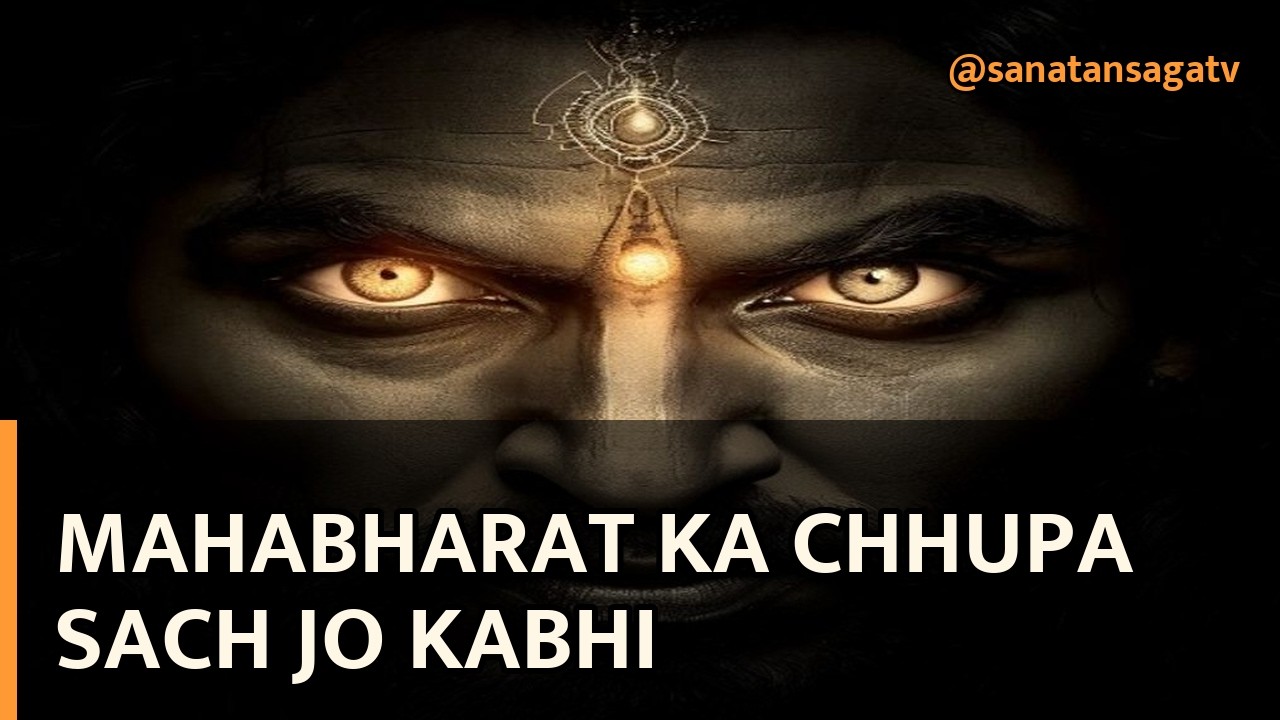
महाभारत: केवल युद्ध नहीं, एक गहन जीवन दर्शन
June 25, 2026 — LiveStream
As an Amazon Associate I earn from qualifying purchases.
As an Amazon Associate I earn from qualifying purchases.
As an Amazon Associate I earn from qualifying purchases.
As an Amazon Associate I earn from qualifying purchases.
As an Amazon Associate I earn from qualifying purchases.
As an Amazon Associate I earn from qualifying purchases.
As an Amazon Associate I earn from qualifying purchases.
As an Amazon Associate I earn from qualifying purchases.
As an Amazon Associate I earn from qualifying purchases.
As an Amazon Associate I earn from qualifying purchases.
As an Amazon Associate I earn from qualifying purchases.
As an Amazon Associate I earn from qualifying purchases.
As an Amazon Associate I earn from qualifying purchases.
As an Amazon Associate I earn from qualifying purchases.
As an Amazon Associate I earn from qualifying purchases.
As an Amazon Associate I earn from qualifying purchases.
As an Amazon Associate I earn from qualifying purchases.
As an Amazon Associate I earn from qualifying purchases.
As an Amazon Associate I earn from qualifying purchases.
As an Amazon Associate I earn from qualifying purchases.
As an Amazon Associate I earn from qualifying purchases.
As an Amazon Associate I earn from qualifying purchases.
As an Amazon Associate I earn from qualifying purchases.
As an Amazon Associate I earn from qualifying purchases.
As an Amazon Associate I earn from qualifying purchases.
As an Amazon Associate I earn from qualifying purchases.
As an Amazon Associate I earn from qualifying purchases.
As an Amazon Associate I earn from qualifying purchases.
As an Amazon Associate I earn from qualifying purchases.
As an Amazon Associate I earn from qualifying purchases.
As an Amazon Associate I earn from qualifying purchases.
As an Amazon Associate I earn from qualifying purchases.
As an Amazon Associate I earn from qualifying purchases.
As an Amazon Associate I earn from qualifying purchases.
As an Amazon Associate I earn from qualifying purchases.
As an Amazon Associate I earn from qualifying purchases.
As an Amazon Associate I earn from qualifying purchases.
As an Amazon Associate I earn from qualifying purchases.
🛒 Recommended gear on AmazonDisclosure: some links above are affiliate links — if you buy through them I may earn a small commission at no extra cost to you. Thanks for supporting the channel!
As an Amazon Associate I earn from qualifying purchases.
महाभारत, केवल एक प्राचीन गाथा नहीं, बल्कि जीवन के गूढ़ रहस्यों और मानव स्वभाव की जटिलताओं को उजागर करने वाला एक कालजयी ग्रंथ है। सदियों से हमें जो युद्ध की कहानियां सुनाई जाती रही हैं, उनके पीछे कई महाभारत का छुपा सच जो कभी नहीं बताया गया है, जिन्हें समझना आज भी उतना ही प्रासंगिक है। यह महाकाव्य हमें केवल धर्म और अधर्म की सीधी लड़ाई नहीं दिखाता, बल्कि उन धूसर क्षेत्रों में ले जाता है जहाँ सत्य और असत्य, न्याय और अन्याय की परिभाषाएं धुंधली पड़ जाती हैं, और यही इसके सबसे गहरे और अनसुने रहस्यों में से एक है।
महाभारत को अक्सर कौरवों और पांडवों के बीच हुए धर्मयुद्ध के रूप में देखा जाता है, लेकिन इसकी परतें कहीं अधिक गहरी हैं। यह सिर्फ एक युद्ध गाथा नहीं, बल्कि मानव अस्तित्व, नैतिकता, राजनीति, व्यक्तिगत कर्तव्य और सार्वभौमिक सत्य पर एक गहन दार्शनिक ग्रंथ है। इस महाकाव्य में हर पात्र अपने आप में एक ब्रह्मांड है, जिसके कर्म, विचार और संघर्ष हमें जीवन के अनमोल सबक सिखाते हैं। महाभारत के अनसुने रहस्य उन मानवीय त्रुटियों, मोह, अहंकार और वासनाओं में छिपे हैं, जो आज भी हर युग में प्रासंगिक हैं। यह दिखाता है कि कैसे सत्ता का लालच, व्यक्तिगत स्वार्थ और रिश्तों की जटिलताएं बड़े से बड़े धर्म को भी अधर्म की ओर धकेल सकती हैं। इस महाकाव्य का अध्ययन हमें केवल अतीत की घटनाओं से अवगत नहीं कराता, बल्कि वर्तमान के प्रश्नों और भविष्य की संभावनाओं पर भी विचार करने के लिए प्रेरित करता है।
धर्म की सूक्ष्मता और अधर्म की छाया
महाभारत का सबसे बड़ा छुपा सच यह है कि धर्म की राह इतनी सीधी नहीं होती जितनी दिखाई देती है। यह अक्सर सूक्ष्म, जटिल और विरोधाभासी होती है। युधिष्ठिर, जिन्हें धर्मराज कहा जाता है, ने भी अपने जीवन में कई ऐसे निर्णय लिए जो धर्म की कसौटी पर संदिग्ध लगते हैं। द्यूत क्रीड़ा में अपनी पत्नी द्रौपदी को दाँव पर लगाना, या फिर अश्वत्थामा के मरने की अर्धसत्य घोषणा करना, ये घटनाएँ हमें सोचने पर मजबूर करती हैं कि क्या धर्म हमेशा अटल और अपरिवर्तनीय होता है? भगवान कृष्ण ने भी युद्ध जीतने के लिए कई ऐसी नीतियाँ अपनाईं जिन्हें 'कपट' या 'कूटनीति' कहा जा सकता है, जैसे भीष्म के वध का तरीका, कर्ण के रथ के पहिए का धँसना, या दुर्योधन की जांघ पर प्रहार। ये सभी कार्य हमें सिखाते हैं कि कई बार 'धर्म' की स्थापना के लिए 'अधर्म' का सहारा लेना पड़ता है, या कम से कम, ऐसी राह अपनानी पड़ती है जो सामान्य नैतिकता से परे हो। यह हमें यह समझने में मदद करता है कि जीवन में काले और सफेद के बीच कई धूसर क्षेत्र होते हैं, जहाँ सही और गलत का निर्णय अत्यंत कठिन हो जाता है। यह धर्म की केवल सैद्धांतिक व्याख्या नहीं, बल्कि उसके व्यावहारिक और परिस्थितियों पर आधारित रूप को प्रस्तुत करता है।
पात्रों की मानवीयता और उनके आंतरिक संघर्ष
महाभारत का एक और गहरा अर्थ इसके पात्रों की मानवीयता में निहित है। हमें अक्सर उन्हें देवी-देवताओं या महान योद्धाओं के रूप में चित्रित किया जाता है, लेकिन उनके भीतर भी आम इंसानों की तरह ही भावनाएं, कमजोरियां और आंतरिक संघर्ष थे। भीष्म पितामह, अपने प्राण त्यागने की इच्छाशक्ति होने के बावजूद, धर्म और प्रतिज्ञा के बीच फंसे रहे। वे कौरवों की सेना में रहकर भी अधर्म को देख रहे थे, लेकिन अपनी प्रतिज्ञा के कारण कुछ कर नहीं पा रहे थे। कर्ण, जिसे अक्सर एक दानवीर और महान योद्धा के रूप में पूजा जाता है, जीवन भर अपनी पहचान और सामाजिक स्वीकृति के लिए संघर्ष करता रहा। उसका मित्र प्रेम और उसकी निष्ठा ने उसे ऐसे मार्ग पर धकेला जहाँ उसे अपने ही भाइयों के विरुद्ध खड़ा होना पड़ा। द्रौपदी, जिसका चीर हरण हुआ, वह केवल एक अपमानित स्त्री नहीं थी, बल्कि न्याय, सम्मान और प्रतिशोध की सशक्त आवाज़ थी। इन पात्रों की गहराई हमें दिखाती है कि हर व्यक्ति परिस्थितियों, संबंधों और भावनाओं के जाल में फंसा होता है, और उनके निर्णय अक्सर उनके आंतरिक द्वंद्व का परिणाम होते हैं। कोई भी पूर्णतः अच्छा या बुरा नहीं होता; सभी में अच्छाई और बुराई का मिश्रण होता है, और यही मानव स्वभाव का सबसे बड़ा छुपा सच है।
वह सच जो हमें अक्सर नहीं बताया जाता: युद्ध का असली मूल्य
महाभारत युद्ध को अक्सर धर्म की विजय के रूप में दर्शाया जाता है, लेकिन इस विजय की कीमत क्या थी? यह वह महाभारत का छुपा सच जो कभी नहीं बताया गया है। युद्ध के बाद पांडवों ने राज तो प्राप्त कर लिया, लेकिन उन्हें जो मिला वह केवल रक्त, राख और अपूरणीय क्षति का ढेर था। उन्होंने अपने प्रियजनों, गुरुओं, पुत्रों और मित्रों को खो दिया। युद्ध के बाद की शांति, एक भयावह चुप्पी थी, जिसमें जीत का कोई उल्लास नहीं था, केवल गहरा दुख और पश्चाताप था। यह महाकाव्य हमें सिखाता है कि युद्ध में कोई असली विजेता नहीं होता; दोनों पक्ष हारते हैं, और सबसे बड़ी हार मानवता की होती है। युद्ध के परिणाम केवल भौतिक विनाश तक सीमित नहीं होते, बल्कि वे आत्माओं को भी गहरे घाव देते हैं जो कभी भरते नहीं।
विजय और पराजय से परे की त्रासदी
पांडवों की 'जीत' वास्तव में एक खोखली विजय थी। युधिष्ठिर ने सिंहासन तो संभाला, लेकिन उनका मन हमेशा अशांत रहा। वे अपने कर्मों और युद्ध की भयावहता के लिए प्रायश्चित करते रहे। धृतराष्ट्र और गांधारी का दुख, जिन्होंने अपने सौ पुत्र खो दिए थे, युद्ध के सबसे मार्मिक पहलुओं में से एक है। गांधारी ने भगवान कृष्ण को शाप दिया, जिसने यदुवंश के विनाश का मार्ग प्रशस्त किया। यह दिखाता है कि युद्ध के घाव केवल विजेताओं या हारने वालों तक सीमित नहीं रहते, बल्कि पीढ़ियों तक फैले रहते हैं। महाभारत के नैतिक प्रश्न हमें यह सोचने पर मजबूर करते हैं कि क्या किसी भी विजय की कीमत इतनी अधिक हो सकती है कि वह वास्तव में विजय न रहकर एक सामूहिक त्रासदी बन जाए? युद्ध के बाद के दृश्य, विशेषकर उन वीरों की पत्नियों और माताओं का विलाप, हमें मानव दुख की पराकाष्ठा दिखाते हैं और युद्ध की निरर्थकता पर बल देते हैं।
कृष्ण की लीला और उनके अप्रिय निर्णय
भगवान कृष्ण का चरित्र महाभारत का सबसे जटिल और रहस्यमय पहलू है। वे एक ओर तो धर्म के रक्षक और मार्गदर्शक हैं, दूसरी ओर वे ऐसे निर्णय लेते हैं जो सामान्य नैतिकता के दायरे से बाहर लगते हैं। उनके 'अप्रिय निर्णय' वास्तव में धर्म की स्थापना के लिए आवश्यक थे, लेकिन वे महाभारत के गहरे अर्थों को समझने के लिए महत्वपूर्ण हैं। कृष्ण ने अर्जुन को गीता का ज्ञान देकर कर्मयोग का मार्ग दिखाया, लेकिन साथ ही उन्होंने अधर्म को समाप्त करने के लिए छल और कूटनीति का भी प्रयोग किया। उनका चरित्र हमें सिखाता है कि जीवन में कई बार 'सही' कार्य करने के लिए 'गलत' लगने वाले तरीकों का सहारा लेना पड़ता है। यह 'लीला' हमें यह भी बताती है कि भगवान भी मानवीय परिस्थितियों से परे नहीं होते और उन्हें भी कठिन चुनाव करने पड़ते हैं। उनके जीवन का अंत भी एक दुखद घटना थी, जब यदुवंश का आपसी संघर्ष में विनाश हुआ, यह दर्शाता है कि किसी भी सत्ता या वंश का अहंकार अंततः पतन की ओर ले जाता है। कृष्ण की यह भूमिका हमें धर्म की एक बहुत ही व्यावहारिक और यथार्थवादी समझ प्रदान करती है, जहाँ अंतिम लक्ष्य की प्राप्ति के लिए साधनों की पवित्रता पर भी कई बार समझौता करना पड़ता है, या कम से कम, व्यापक भलाई के लिए कठोर कदम उठाने पड़ते हैं।

महाभारत के अनछुए पहलू: सामाजिक और राजनीतिक विश्लेषण
महाभारत केवल वीर गाथाओं और धर्मयुद्ध की कहानियों तक सीमित नहीं है, बल्कि यह अपने समय के सामाजिक-राजनीतिक ढांचे, शक्ति संघर्ष और न्याय-अन्याय के सवालों पर एक विस्तृत टिप्पणी भी है। यह महाकाव्य हमें उस समाज की झलक देता है जहां वर्ण व्यवस्था, पारिवारिक निष्ठा और राजधर्म के जटिल नियम प्रचलित थे। महाभारत के अनसुने रहस्य इसके सामाजिक और राजनीतिक ताने-बाने में भी बुने हुए हैं, जो आज भी कई मायनों में प्रासंगिक हैं। यह दिखाता है कि कैसे सत्ता का लालच और व्यक्तिगत महत्वाकांक्षाएं बड़े-बड़े साम्राज्यों और परिवारों को नष्ट कर सकती हैं।
स्त्री पात्रों की भूमिका और उनका संघर्ष
महाभारत में स्त्री पात्रों की भूमिका अक्सर उपेक्षित या सीमित मानी जाती है, जबकि वे इस महाकाव्य की रीढ़ हैं। द्रौपदी, कुंती, गांधारी, सत्यवती और सुभद्रा जैसी नारियाँ केवल पुरुषों के निर्णयों का परिणाम नहीं भुगततीं, बल्कि वे स्वयं भी सशक्त व्यक्तित्व थीं जिन्होंने घटनाओं को प्रभावित किया। द्रौपदी का अपमान ही युद्ध का तात्कालिक कारण बना, जिसने उसे न्याय के लिए लड़ने वाली एक प्रतीक बना दिया। कुंती का त्याग और उसके आंतरिक संघर्ष, विशेष रूप से कर्ण के साथ उसका संबंध, मातृ प्रेम और सामाजिक विवशताओं के बीच के द्वंद्व को दर्शाता है। गांधारी का अपनी आँखों पर पट्टी बांधकर अपने पति के अंधेपन को साझा करना, प्रेम और समर्पण की पराकाष्ठा थी, लेकिन इसी ने उसे पुत्रों के अधर्म को देखने से भी रोका। इन स्त्रियों का जीवन हमें सिखाता है कि कैसे पितृसत्तात्मक समाज में भी वे अपनी पहचान, न्याय और सम्मान के लिए संघर्ष करती थीं, और उनकी वेदनाएँ, शक्ति और बुद्धिमत्ता महाभारत के गहरे अर्थों को समझने के लिए अत्यंत महत्वपूर्ण हैं। उनके संघर्ष हमें आज भी महिला सशक्तिकरण और न्याय की लड़ाई के लिए प्रेरित करते हैं।
सत्ता का लालच और उसके परिणाम
महाभारत का एक बड़ा छुपा सच यह है कि यह महाकाव्य सत्ता के लालच और उसके विनाशकारी परिणामों पर एक शाश्वत चेतावनी है। दुर्योधन का हस्तिनापुर के सिंहासन के प्रति अटूट मोह, उसके अहंकारी स्वभाव और दूसरों के प्रति ईर्ष्या ने पूरे कुरु वंश का विनाश कर दिया। धृतराष्ट्र का अपने पुत्र मोह में अंधा हो जाना, उसे न्याय और धर्म के मार्ग से भटका देता है। यह दिखाता है कि कैसे सत्ता की भूख व्यक्ति को अनैतिक और क्रूर बना सकती है, और कैसे यह परिवार, समाज और राष्ट्र को भी संकट में डाल सकती है। महाभारत हमें यह स्पष्ट संदेश देता है कि अनियंत्रित महत्वाकांक्षा और अन्याय पर आधारित शासन कभी स्थायी नहीं होता। अंततः, अधर्म का मार्ग केवल विनाश की ओर ही ले जाता है, भले ही क्षणिक रूप से सफलता मिलती हुई प्रतीत हो। यह हमें सिखाता है कि सत्ता के साथ बड़ी जिम्मेदारियां आती हैं और उसका दुरुपयोग केवल दुख और पतन का कारण बनता है।
महाभारत का छुपा सच जो आज भी प्रासंगिक है
महाभारत के अनसुने रहस्य और गहरे अर्थ केवल प्राचीन काल तक ही सीमित नहीं हैं, बल्कि वे आज भी हमारे जीवन, समाज और वैश्विक राजनीति में प्रासंगिक हैं। यह हमें सिखाता है कि कैसे धर्म और अधर्म का संघर्ष हर व्यक्ति के भीतर चलता है, और कैसे हमें अपने निर्णयों के परिणामों का सामना करना पड़ता है। आज भी हम सत्ता के लालच, व्यक्तिगत महत्वाकांक्षा, परिवारिक कलह और न्याय के लिए संघर्ष को देखते हैं। महाभारत हमें इन चुनौतियों का सामना करने, अपने कर्तव्यों को समझने और नैतिक मूल्यों पर टिके रहने की प्रेरणा देता है। यह हमें यह भी याद दिलाता है कि भले ही हम अपने जीवन में कितनी भी विजय प्राप्त कर लें, लेकिन यदि हमने अपने नैतिक मूल्यों और मानवीयता को खो दिया, तो वह जीत वास्तव में एक हार ही होती है। इस प्रकार, महाभारत का छुपा सच जो कभी नहीं बताया गया वह यह है कि यह एक दर्पण है, जो हमें अपनी ही आत्मा, समाज और इतिहास की वास्तविकताओं को देखने का अवसर प्रदान करता है, ताकि हम उनसे सीखकर एक बेहतर भविष्य का निर्माण कर सकें।
Key Takeaways
- महाभारत केवल युद्ध की कहानी नहीं, बल्कि मानव जीवन के नैतिक, सामाजिक और दार्शनिक पहलुओं का एक गहन विश्लेषण है।
- धर्म की राह अक्सर जटिल होती है, जहाँ सत्य और असत्य के बीच की सीमा रेखा धुंधली पड़ जाती है, जैसा कि कृष्ण की रणनीतियों और युधिष्ठिर के निर्णयों में देखा गया।
- महाकाव्य के पात्रों में गहरी मानवीयता है; वे अपनी कमजोरियों और आंतरिक संघर्षों के साथ चित्रित किए गए हैं, जो उन्हें अधिक यथार्थवादी बनाते हैं।
- युद्ध का असली मूल्य केवल जीत या हार से नहीं, बल्कि अपूरणीय क्षति और सार्वभौमिक दुख से मापा जाता है, जिससे अंततः कोई भी पक्ष वास्तव में विजेता नहीं रहता।
- महाभारत के अनछुए पहलू, जैसे स्त्री पात्रों का संघर्ष और सत्ता के लालच के परिणाम, आज के समाज और राजनीति के लिए भी गहरे सबक प्रदान करते हैं।
Frequently Asked Questions
महाभारत का सबसे बड़ा छुपा सच क्या है?
महाभारत का सबसे बड़ा छुपा सच यह है कि यह केवल धर्म की सीधी विजय की कहानी नहीं है, बल्कि यह धर्म और अधर्म के बीच की धूसर रेखाओं को, युद्ध के विनाशकारी परिणामों को और सत्ता के लालच के मानवीय स्वभाव पर पड़ने वाले गहरे प्रभाव को दर्शाता है। यह बताता है कि कैसे महानतम व्यक्ति भी नैतिक दुविधाओं से जूझते हैं और कैसे कोई भी जीत, अपार क्षति और दुख के साथ आती है, जिससे अंततः कोई वास्तविक विजेता नहीं बचता।
भगवान कृष्ण की भूमिका महाभारत में अक्सर क्यों बहस का विषय रहती है?
भगवान कृष्ण की भूमिका अक्सर बहस का विषय रहती है क्योंकि उन्होंने धर्म की स्थापना के लिए कई ऐसी रणनीतियाँ अपनाईं जो सामान्य नैतिकता के दायरे से बाहर लगती थीं, जैसे भीष्म, द्रोण, कर्ण और दुर्योधन के वध में अप्रत्यक्ष भूमिका। हालांकि उनके कार्यों को 'लीला' या 'कौशल' के रूप में देखा जाता है जो व्यापक धर्म की स्थापना के लिए आवश्यक थे, फिर भी वे नैतिक रूप से जटिल प्रश्न उठाते हैं कि क्या लक्ष्य की पवित्रता साधनों की पवित्रता को गौण बना सकती है।
महाभारत से हमें सबसे बड़े नैतिक सबक क्या मिलते हैं?
महाभारत से हमें कई बड़े नैतिक सबक मिलते हैं: हर व्यक्ति को अपने कर्मों का फल भुगतना पड़ता है; सत्ता का लालच और अहंकार विनाशकारी होता है; धर्म की राह सूक्ष्म और जटिल होती है, जिसे समझना आसान नहीं; और युद्ध में कभी कोई वास्तविक विजेता नहीं होता, केवल अपार दुख और क्षति होती है। यह हमें न्याय, कर्तव्य, प्रेम, त्याग और क्षमा के महत्व को भी सिखाता है।
क्या महाभारत युद्ध में कोई वास्तव में जीता था?
महाभारत युद्ध में पांडवों ने भौतिक रूप से तो विजय प्राप्त की और हस्तिनापुर का सिंहासन प्राप्त किया, लेकिन भावनात्मक और नैतिक रूप से उन्हें भारी कीमत चुकानी पड़ी। उन्होंने अपने प्रियजनों, गुरुओं और लाखों योद्धाओं को खो दिया। युद्ध के बाद पांडवों का जीवन भी पश्चाताप और दुख से भरा रहा। इस मायने में, महाभारत यह दर्शाता है कि युद्ध में कोई सच्चा विजेता नहीं होता; दोनों पक्ष हारते हैं और मानवता सबसे बड़ी कीमत चुकाती है।
हमें उम्मीद है कि यह गहन विश्लेषण आपको महाभारत के अनसुने रहस्यों और इसके गहरे अर्थों को समझने में सहायक होगा। यदि आप इस विषय पर और गहराई से जानना चाहते हैं और महाभारत का छुपा सच जो कभी नहीं बताया गया उसे अपनी आँखों से देखना चाहते हैं, तो हम आपको @sanatansagatv चैनल पर मूल वीडियो देखने के लिए आमंत्रित करते हैं। सनातन सागर टीवी चैनल को सब्सक्राइब करके ऐसी ही और ज्ञानवर्धक पौराणिक और आध्यात्मिक सामग्री से जुड़े रहें!