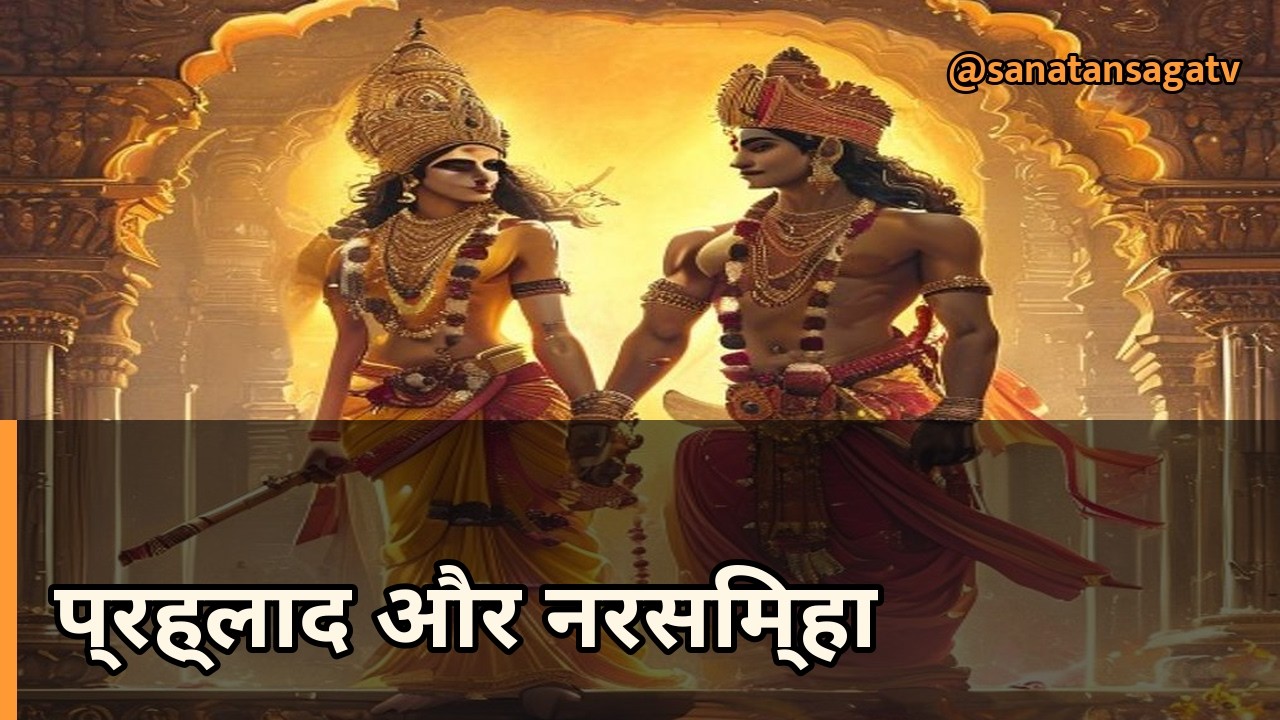
हिरण्यकशिपु का अभिशाप और ब्रह्मा का वरदान: अहंकार का उदय
June 25, 2026 — LiveStream
As an Amazon Associate I earn from qualifying purchases.
As an Amazon Associate I earn from qualifying purchases.
As an Amazon Associate I earn from qualifying purchases.
As an Amazon Associate I earn from qualifying purchases.
As an Amazon Associate I earn from qualifying purchases.
As an Amazon Associate I earn from qualifying purchases.
As an Amazon Associate I earn from qualifying purchases.
As an Amazon Associate I earn from qualifying purchases.
As an Amazon Associate I earn from qualifying purchases.
As an Amazon Associate I earn from qualifying purchases.
As an Amazon Associate I earn from qualifying purchases.
As an Amazon Associate I earn from qualifying purchases.
As an Amazon Associate I earn from qualifying purchases.
As an Amazon Associate I earn from qualifying purchases.
As an Amazon Associate I earn from qualifying purchases.
As an Amazon Associate I earn from qualifying purchases.
As an Amazon Associate I earn from qualifying purchases.
As an Amazon Associate I earn from qualifying purchases.
As an Amazon Associate I earn from qualifying purchases.
As an Amazon Associate I earn from qualifying purchases.
As an Amazon Associate I earn from qualifying purchases.
As an Amazon Associate I earn from qualifying purchases.
As an Amazon Associate I earn from qualifying purchases.
As an Amazon Associate I earn from qualifying purchases.
As an Amazon Associate I earn from qualifying purchases.
As an Amazon Associate I earn from qualifying purchases.
As an Amazon Associate I earn from qualifying purchases.
As an Amazon Associate I earn from qualifying purchases.
As an Amazon Associate I earn from qualifying purchases.
As an Amazon Associate I earn from qualifying purchases.
As an Amazon Associate I earn from qualifying purchases.
As an Amazon Associate I earn from qualifying purchases.
As an Amazon Associate I earn from qualifying purchases.
As an Amazon Associate I earn from qualifying purchases.
As an Amazon Associate I earn from qualifying purchases.
As an Amazon Associate I earn from qualifying purchases.
As an Amazon Associate I earn from qualifying purchases.
As an Amazon Associate I earn from qualifying purchases.
🛒 Recommended gear on AmazonDisclosure: some links above are affiliate links — if you buy through them I may earn a small commission at no extra cost to you. Thanks for supporting the channel!
As an Amazon Associate I earn from qualifying purchases.
भारतीय पौराणिक कथाओं में प्रह्लाद और नृसिंह की गाथा सनातन धर्म के मूलभूत सिद्धांतों – भक्ति की शक्ति, दैवीय न्याय और अहंकार के विनाश – का एक शाश्वत प्रतीक है। यह कहानी हमें सिखाती है कि कैसे अटूट विश्वास और श्रद्धा किसी भी विपरीत परिस्थिति में विजय दिला सकती है, और कैसे स्वयं भगवान अपने भक्तों की रक्षा के लिए किसी भी सीमा तक जा सकते हैं।
यह अद्भुत आख्यान केवल एक कहानी नहीं, बल्कि आध्यात्मिक विकास और नैतिक मूल्यों का एक गहन दर्शन प्रस्तुत करता है, जहाँ एक नन्हे बालक की अडिग आस्था ने एक क्रूर असुर के सर्वनाश का मार्ग प्रशस्त किया, जिसने ब्रह्मांड के नियमों को चुनौती दी थी। नृसिंह अवतार भगवान विष्णु के सबसे उग्र और रहस्यमय अवतारों में से एक है, जो यह दर्शाता है कि धर्म की रक्षा और अधर्म के नाश के लिए ईश्वर किसी भी रूप में प्रकट हो सकते हैं। आइए, इस पावन कथा की गहराई में उतरें और इसके विभिन्न पहलुओं को समझें।
प्रह्लाद और नृसिंह की कथा का आरंभ हिरण्यकशिपु नामक एक पराक्रमी दैत्य राजा से होता है, जो दिति और ऋषि कश्यप का पुत्र था। उसके बड़े भाई हिरण्याक्ष का वध भगवान विष्णु ने वराह अवतार में किया था। अपने भाई की मृत्यु का प्रतिशोध लेने के लिए हिरण्यकशिपु ने भगवान विष्णु से घोर शत्रुता पाल ली। वह इतना शक्तिशाली बनना चाहता था कि उसे कोई मार न सके और वह पूरे ब्रह्मांड पर शासन कर सके।
असुर सम्राट की कठोर तपस्या
अपनी इस महत्वाकांक्षा को पूरा करने के लिए हिरण्यकशिपु ने कठोर तपस्या की। उसने वर्षों तक ब्रह्मा जी की आराधना की, अपने शरीर को भीषण यातनाएं दीं। उसकी तपस्या इतनी तीव्र थी कि तीनों लोकों में हाहाकार मच गया। ब्रह्मा जी उसकी तपस्या से प्रसन्न हुए और उसे वरदान देने के लिए प्रकट हुए।
अजेयता का वरदान और उसका दुरुपयोग
हिरण्यकशिपु ने ब्रह्मा जी से ऐसा वरदान माँगा जिसने उसे लगभग अमर बना दिया। उसने प्रार्थना की कि:
- वह किसी मनुष्य या पशु द्वारा न मारा जाए।
- उसे दिन या रात में न मारा जाए।
- उसे घर के अंदर या बाहर न मारा जाए।
- उसे भूमि पर या आकाश में न मारा जाए।
- उसे किसी अस्त्र या शस्त्र से न मारा जाए।
ब्रह्मा जी ने उसे यह वरदान प्रदान किया, क्योंकि वे किसी की तपस्या को व्यर्थ नहीं जाने देते। इस वरदान ने हिरण्यकशिपु को अत्यधिक अहंकारी और निरंकुश बना दिया। उसे लगा कि अब वह वास्तव में अजेय है और कोई भी उसे पराजित नहीं कर सकता। उसने स्वर्गलोक पर अधिकार कर लिया, देवताओं को उनके स्थानों से हटा दिया और तीनों लोकों में अपना आतंक फैला दिया। उसने घोषणा की कि अब से केवल उसी की पूजा की जाएगी और भगवान विष्णु का नाम लेना भी महापाप होगा। इस प्रकार, उसने धर्म और नैतिकता की सभी सीमाओं को लांघ दिया।
प्रह्लाद: भक्ति का प्रतीक और असुरी पिता का कलंक
हिरण्यकशिपु के राज्य में जब अधर्म अपनी चरम सीमा पर था, उसी समय उसके घर में प्रह्लाद का जन्म हुआ। यह विडंबना ही थी कि भगवान विष्णु का सबसे बड़ा शत्रु, स्वयं अपने घर में एक ऐसे पुत्र को जन्म देगा जो उनका परम भक्त होगा। प्रह्लाद अपनी मां कयाधु के गर्भ में ही देवर्षि नारद के आश्रम में रहे थे, जहाँ उन्होंने भक्ति और विष्णु महिमा का ज्ञान प्राप्त किया।
जन्म से ही विष्णु भक्त
प्रह्लाद का जन्म से ही भगवान विष्णु के प्रति अटूट प्रेम और भक्ति थी। जैसे-जैसे वह बड़े होते गए, उनकी भक्ति और भी गहरी होती गई। यह बात हिरण्यकशिपु के लिए अत्यंत असहनीय थी। उसका पुत्र, जिसे उसका उत्तराधिकारी बनना था, उसके सबसे बड़े शत्रु की पूजा करता था। यह उसके लिए अपने ही घर में एक विद्रोह जैसा था।
हिरण्यकशिपु के अत्याचार और प्रह्लाद का अटूट विश्वास
अपने पुत्र को विष्णु भक्ति से विमुख करने के लिए हिरण्यकशिपु ने हर संभव प्रयास किया। उसने प्रह्लाद को कई बार समझाया, धमकाया और तरह-तरह के प्रलोभन दिए, लेकिन प्रह्लाद अपनी भक्ति से विचलित नहीं हुए। वे अपनी बात पर अडिग रहे कि भगवान विष्णु ही परम सत्य हैं और उनकी ही आराधना करनी चाहिए।
जब समझाने और धमकाने से काम नहीं चला, तो हिरण्यकशिपु ने प्रह्लाद को जान से मारने का भी प्रयास किया। उसने प्रह्लाद को ऊँचे पहाड़ों से नीचे फेंकवाया, विषैले साँपों से कटवाया, हाथियों से कुचलवाया, अग्नि में जलवाया और समुद्र में डुबोया। लेकिन हर बार भगवान विष्णु स्वयं किसी न किसी रूप में प्रह्लाद की रक्षा करते रहे। प्रह्लाद को कभी कोई क्षति नहीं पहुँची। हर बार वे सुरक्षित और शांतचित्त रहते, और उनकी भक्ति और भी दृढ़ होती जाती।
- विषपान: प्रह्लाद को विष दिया गया, पर वह अमृत बन गया।
- समुद्र में फेंकना: उन्हें समुद्र में डुबोया गया, लेकिन वे तैर कर किनारे आ गए।
- हाथी के पाँव तले: विशाल हाथियों से कुचलवाने का प्रयास किया गया, पर हाथी उन्हें स्पर्श भी न कर सके।
- अग्नि परीक्षा: हिरण्यकशिपु की बहन होलिका, जिसे अग्नि में न जलने का वरदान था, प्रह्लाद को लेकर अग्नि में बैठी। होलिका जल गई, पर प्रह्लाद सुरक्षित बाहर आ गए। यहीं से होली का पर्व शुरू हुआ।
ये सभी प्रयास प्रह्लाद के विश्वास को और मजबूत करते गए। वे हमेशा यह कहते रहे कि भगवान हर जगह हैं, कण-कण में व्याप्त हैं और वही उनकी रक्षा करते हैं। यह प्रह्लाद की अडिग भक्ति का चरम उदाहरण था।
दैवीय हस्तक्षेप: नृसिंह अवतार का प्राकट्य और धर्म की विजय
प्रह्लाद पर अपने सभी अत्याचार विफल होने के बाद, हिरण्यकशिपु का क्रोध अपनी चरम सीमा पर पहुँच गया। एक दिन उसने प्रह्लाद से पूछा, "तेरा विष्णु कहाँ है? क्या वह इस स्तंभ में भी है?" प्रह्लाद ने शांत भाव से उत्तर दिया, "हाँ पिताजी, भगवान हर जगह हैं, वे इस स्तंभ में भी हैं।"
स्तंभ से नृसिंह का प्राकट्य
यह सुनकर हिरण्यकशिपु क्रोध से पागल हो गया। उसने अपनी गदा उठाई और उस स्तंभ पर प्रहार किया, यह सोचकर कि वह प्रह्लाद के भगवान को झूठा साबित कर देगा। जैसे ही उसने स्तंभ पर प्रहार किया, एक भयंकर गर्जना हुई और वह स्तंभ फट गया। उसमें से भगवान विष्णु का नृसिंह अवतार प्रकट हुआ – आधा मनुष्य और आधा सिंह का स्वरूप। यह अत्यंत भयानक और तेजस्वी रूप था, जिसे देखकर तीनों लोक काँप उठे।
वरदान का भेदन और असुर का अंत
नृसिंह भगवान ने हिरण्यकशिपु को पकड़ लिया और उसे अपने विशाल पंजों पर उठा लिया। हिरण्यकशिपु अपने वरदान के कारण सुरक्षित महसूस कर रहा था, लेकिन नृसिंह भगवान ने उस वरदान की हर शर्त को ऐसे तोड़ा, जिसकी कल्पना भी नहीं की जा सकती थी:
- वे न मनुष्य थे और न पशु, बल्कि दोनों का संयुक्त रूप थे।
- उन्होंने उसे गोधूलि वेला में मारा, जो न दिन था और न रात।
- उन्होंने उसे अपने महल की दहलीज पर मारा, जो न घर के अंदर थी और न बाहर।
- उन्होंने उसे अपनी जाँघों पर रखा, जो न भूमि थी और न आकाश।
- उन्होंने उसे अपने तीक्ष्ण नाखूनों से विदीर्ण किया, जो न अस्त्र थे और न शस्त्र।
इस प्रकार, नृसिंह देव ने हिरण्यकशिपु का वध किया और ब्रह्मांड को उसके अत्याचारों से मुक्त कराया। यह भगवान की लीला का एक अद्वितीय उदाहरण था कि कैसे वे अपने भक्तों की रक्षा के लिए किसी भी सीमा तक जा सकते हैं और अधर्म का नाश करने के लिए नए-नए रूप धारण कर सकते हैं। यह घटना दैवीय न्याय का प्रत्यक्ष प्रमाण थी।
नृसिंह लीला का गूढ़ रहस्य और उसके शाश्वत संदेश
प्रह्लाद और नृसिंह की कथा केवल एक पौराणिक आख्यान नहीं, बल्कि गहन आध्यात्मिक और दार्शनिक संदेशों का पुंज है। यह कथा हमें अनेक महत्वपूर्ण सीख देती है जो आधुनिक जीवन में भी उतनी ही प्रासंगिक हैं जितनी प्राचीन काल में थीं।
1. भक्ति की सर्वोपरिता
यह कथा सबसे पहले भक्ति की शक्ति को स्थापित करती है। प्रह्लाद की भक्ति अडिग, निस्वार्थ और सर्वोपरि थी। उन्होंने मृत्यु के भय या प्रलोभन के आगे अपनी आस्था नहीं छोड़ी। यह दिखाता है कि सच्ची भक्ति किसी भी भौतिक बाधा को पार कर सकती है और स्वयं ईश्वर को अपने भक्त की रक्षा के लिए प्रकट होने पर विवश कर सकती है। प्रह्लाद की भक्ति ने उन्हें भयमुक्त और अजेय बना दिया।
2. ईश्वर की सर्वव्यापकता
प्रह्लाद ने हमेशा कहा कि भगवान हर जगह हैं, "स्तंभ में भी हैं।" नृसिंह अवतार का स्तंभ से प्रकट होना इस बात का प्रतीक है कि ईश्वर सचमुच कण-कण में व्याप्त हैं। उनकी उपस्थिति किसी विशेष स्थान, रूप या समय तक सीमित नहीं है। यह सार्वभौमिक सत्य है कि परमात्मा हर जीव और निर्जीव वस्तु में विद्यमान है, और यह विश्वास ही प्रह्लाद की शक्ति का स्रोत था।
3. अहंकार का विनाश
हिरण्यकशिपु का अहंकार उसकी मृत्यु का कारण बना। उसने स्वयं को ईश्वर से भी बड़ा मान लिया था और सभी को अपनी पूजा करने के लिए मजबूर किया। उसकी शक्ति, वरदान और क्रूरता अंततः उसके विनाश का कारण बनी। यह कथा हमें सिखाती है कि अहंकार पतन का मार्ग है और कोई भी शक्ति शाश्वत नहीं है, सिवाय परमेश्वर की शक्ति के।
4. धर्म की स्थापना और अधर्म का नाश
जब-जब धर्म का ह्रास होता है और अधर्म का बोलबाला होता है, तब-तब भगवान स्वयं प्रकट होकर धर्म की स्थापना करते हैं और दुष्टों का नाश करते हैं। नृसिंह अवतार इस सिद्धांत का प्रत्यक्ष प्रमाण है। भगवान का यह उग्र रूप बताता है कि धर्म की रक्षा के लिए क्रूरता और अन्याय को परास्त करना आवश्यक है, भले ही इसके लिए कैसा भी रूप धारण करना पड़े। यह संतुलन बनाए रखने के लिए आवश्यक है।
5. दैवीय न्याय
हिरण्यकशिपु को मिला वरदान उसे अजेय बनाता प्रतीत होता था, लेकिन भगवान ने वरदान की शर्तों का पालन करते हुए भी उसे परास्त करने का मार्ग खोज निकाला। यह दर्शाता है कि कोई भी व्यक्ति या वरदान दैवीय इच्छा से बड़ा नहीं हो सकता। अंततः, न्याय की जीत होती है और बुरे कर्मों का फल अवश्य मिलता है। यह कर्म के सिद्धांत को भी पुष्ट करता है।
आधुनिक विश्व में प्रह्लाद और नृसिंह की कथा की प्रासंगिकता
हजारों साल पुरानी यह पौराणिक कथा आज भी उतनी ही प्रासंगिक है। आधुनिक समाज में भी हम हिरण्यकशिपु जैसे अहंकारी व्यक्तियों और प्रह्लाद जैसी अडिग आस्था के उदाहरण देख सकते हैं।
- विश्वास की शक्ति: आज के तनावपूर्ण और अनिश्चितता भरे माहौल में, प्रह्लाद की कथा हमें आंतरिक शांति और शक्ति प्राप्त करने के लिए विश्वास और आध्यात्मिकता की ओर मुड़ने के लिए प्रेरित करती है।
- अन्याय के खिलाफ खड़ा होना: प्रह्लाद ने अपने पिता के अत्याचारों के खिलाफ अकेले ही खड़े होने का साहस दिखाया। यह हमें सिखाता है कि अन्याय और भ्रष्टाचार के खिलाफ आवाज़ उठाना कितना महत्वपूर्ण है, भले ही इसके लिए हमें शक्तिशाली विरोध का सामना करना पड़े।
- नेतृत्व और नैतिकता: हिरण्यकशिपु का पतन हमें याद दिलाता है कि सत्ता और शक्ति का दुरुपयोग हमेशा विनाश की ओर ले जाता है। सच्चा नेतृत्व नैतिकता और न्याय पर आधारित होना चाहिए।
- विष्णु के दशावतार: नृसिंह अवतार भगवान विष्णु के दशावतारों में से एक है, जो दर्शाता है कि भगवान अलग-अलग युगों में धर्म की रक्षा और अधर्म के नाश के लिए अलग-अलग रूप धारण करते हैं। यह कथा हमें ईश्वरीय योजना और ब्रह्मांडीय व्यवस्था की समझ प्रदान करती है।
संक्षेप में, प्रह्लाद और नृसिंह की कहानी केवल एक चमत्कारिक घटना का वर्णन नहीं करती, बल्कि यह हमें भक्ति, धैर्य, विश्वास और नैतिक आचरण के मूलभूत सिद्धांतों की शिक्षा देती है। यह हमें यह भी याद दिलाती है कि भले ही अधर्म कितना भी शक्तिशाली क्यों न हो जाए, अंततः धर्म और सच्चाई की ही विजय होती है। इस कथा का सार यह है कि सच्चा भक्त कभी अकेला नहीं होता, क्योंकि स्वयं भगवान उसकी रक्षा के लिए हर पल तैयार रहते हैं।
Key Takeaways
- अटूट भक्ति की शक्ति: प्रह्लाद की अडिग भक्ति ने स्वयं भगवान को उसकी रक्षा के लिए प्रकट होने पर विवश कर दिया।
- ईश्वर की सर्वव्यापकता: नृसिंह अवतार का स्तंभ से प्रकट होना यह दर्शाता है कि ईश्वर हर जगह, कण-कण में व्याप्त हैं।
- अहंकार का विनाश: हिरण्यकशिपु का अहंकार और क्रूरता उसके अपने विनाश का कारण बनी, जो सत्ता के दुरुपयोग का परिणाम है।
- दैवीय न्याय का प्रमाण: भगवान ने वरदान की शर्तों का पालन करते हुए भी अधर्मी का अंत किया, जिससे दैवीय न्याय की स्थापना हुई।
- धर्म की विजय: यह कथा स्थापित करती है कि कितना भी अधर्म क्यों न बढ़ जाए, अंततः धर्म और सच्चाई की ही विजय होती है।
Frequently Asked Questions
प्रह्लाद कौन थे और उनकी क्या विशेषता थी?
प्रह्लाद दैत्यराज हिरण्यकशिपु के पुत्र थे और भगवान विष्णु के परम भक्त थे। उनकी मुख्य विशेषता उनकी अटूट और निस्वार्थ भक्ति थी, जिसके कारण वे अपने पिता के सभी अत्याचारों के बावजूद भगवान विष्णु के प्रति अपनी आस्था से कभी विचलित नहीं हुए।
नृसिंह अवतार का क्या अर्थ है और यह क्यों प्रकट हुए?
नृसिंह अवतार भगवान विष्णु का चौथा अवतार है, जिसमें वे आधे मनुष्य और आधे सिंह के रूप में प्रकट हुए। वे हिरण्यकशिपु को मारने के लिए प्रकट हुए थे, क्योंकि हिरण्यकशिपु को ब्रह्मा से वरदान मिला था कि उसे न मनुष्य मार सकता है, न पशु, न दिन में, न रात में, न घर के अंदर, न बाहर, न भूमि पर, न आकाश में, और न किसी अस्त्र या शस्त्र से। नृसिंह भगवान ने इन सभी शर्तों का पालन करते हुए उसका वध किया और धर्म की रक्षा की।
हिरण्यकशिपु को क्या वरदान मिला था और उसका क्या परिणाम हुआ?
हिरण्यकशिपु को ब्रह्मा जी से वरदान मिला था कि उसे किसी मनुष्य या पशु द्वारा, दिन या रात में, घर के अंदर या बाहर, भूमि पर या आकाश में, और किसी अस्त्र या शस्त्र से नहीं मारा जा सकता। इस वरदान ने उसे अत्यधिक अहंकारी और क्रूर बना दिया, जिससे उसने तीनों लोकों पर अत्याचार करना शुरू कर दिया, लेकिन अंततः भगवान नृसिंह ने इस वरदान की सभी शर्तों को पूरा करते हुए उसका वध कर दिया।
प्रह्लाद और नृसिंह की कथा का मुख्य संदेश क्या है?
इस कथा का मुख्य संदेश है कि सच्ची और अडिग भक्ति की शक्ति अपरिमित होती है और भगवान हमेशा अपने भक्तों की रक्षा करते हैं। यह अहंकार के पतन, दैवीय न्याय की स्थापना और ईश्वर की सर्वव्यापकता को भी उजागर करती है, यह दर्शाते हुए कि धर्म हमेशा अधर्म पर विजय प्राप्त करता है।
प्रह्लाद और नृसिंह की यह अद्भुत कथा हमें जीवन में विश्वास, साहस और धर्म के मार्ग पर चलने की प्रेरणा देती है। इस गहन पौराणिक गाथा को और अधिक विस्तार से समझने के लिए, @sanatansagatv चैनल पर उपलब्ध इस वीडियो को अवश्य देखें और ऐसे ही अन्य ज्ञानवर्धक सामग्री के लिए चैनल को सब्सक्राइब करें।