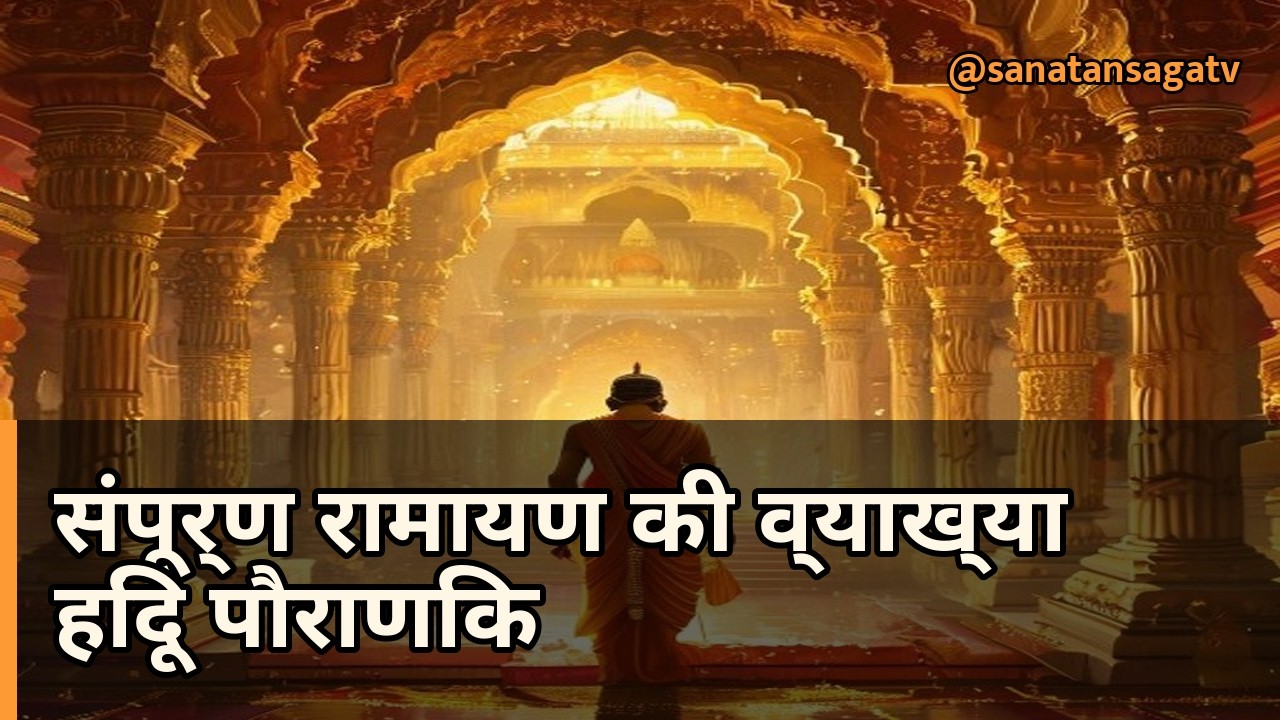
रामायण: सनातन धर्म का एक कालजयी महाकाव्य और उसका गहरा प्रभाव
June 25, 2026 — LiveStream
As an Amazon Associate I earn from qualifying purchases.
As an Amazon Associate I earn from qualifying purchases.
As an Amazon Associate I earn from qualifying purchases.
As an Amazon Associate I earn from qualifying purchases.
As an Amazon Associate I earn from qualifying purchases.
As an Amazon Associate I earn from qualifying purchases.
As an Amazon Associate I earn from qualifying purchases.
As an Amazon Associate I earn from qualifying purchases.
As an Amazon Associate I earn from qualifying purchases.
As an Amazon Associate I earn from qualifying purchases.
As an Amazon Associate I earn from qualifying purchases.
As an Amazon Associate I earn from qualifying purchases.
As an Amazon Associate I earn from qualifying purchases.
As an Amazon Associate I earn from qualifying purchases.
As an Amazon Associate I earn from qualifying purchases.
As an Amazon Associate I earn from qualifying purchases.
As an Amazon Associate I earn from qualifying purchases.
As an Amazon Associate I earn from qualifying purchases.
As an Amazon Associate I earn from qualifying purchases.
As an Amazon Associate I earn from qualifying purchases.
As an Amazon Associate I earn from qualifying purchases.
As an Amazon Associate I earn from qualifying purchases.
As an Amazon Associate I earn from qualifying purchases.
As an Amazon Associate I earn from qualifying purchases.
As an Amazon Associate I earn from qualifying purchases.
As an Amazon Associate I earn from qualifying purchases.
As an Amazon Associate I earn from qualifying purchases.
As an Amazon Associate I earn from qualifying purchases.
As an Amazon Associate I earn from qualifying purchases.
As an Amazon Associate I earn from qualifying purchases.
As an Amazon Associate I earn from qualifying purchases.
As an Amazon Associate I earn from qualifying purchases.
As an Amazon Associate I earn from qualifying purchases.
As an Amazon Associate I earn from qualifying purchases.
As an Amazon Associate I earn from qualifying purchases.
As an Amazon Associate I earn from qualifying purchases.
As an Amazon Associate I earn from qualifying purchases.
As an Amazon Associate I earn from qualifying purchases.
🛒 Recommended gear on AmazonDisclosure: some links above are affiliate links — if you buy through them I may earn a small commission at no extra cost to you. Thanks for supporting the channel!
As an Amazon Associate I earn from qualifying purchases.
रामायण, एक ऐसा नाम जो सुनते ही करोड़ों भारतीयों के मन में भक्ति, मर्यादा और शौर्य का एक अद्भुत संसार जागृत हो उठता है। यह केवल एक प्राचीन कथा नहीं, बल्कि भारतीय सनातन धर्म का वह आधार स्तंभ है, जो हमें जीवन के हर पहलू में धर्म, नीति और नैतिकता का पाठ पढ़ाता है। भगवान राम के जीवन पर आधारित यह महाकाव्य न केवल आदर्शों की स्थापना करता है, बल्कि मानवीय संबंधों की जटिलताओं, त्याग की महिमा और बुराई पर अच्छाई की शाश्वत विजय को भी बड़ी गहराई से दर्शाता है। यह लेख आपको रामायण के गहरे अर्थों, इसके प्रमुख पात्रों और इसके चिरस्थायी संदेशों की एक विस्तृत यात्रा पर ले जाएगा, जो आज भी हमारे जीवन को प्रेरणा और दिशा प्रदान करते हैं।
रामायण, जिसका शाब्दिक अर्थ है "राम का मार्ग", महर्षि वाल्मीकि द्वारा संस्कृत में रचित एक ऐसा आदि काव्य है, जो सदियों से पीढ़ी दर पीढ़ी भारतीय जनमानस में रचा-बसा है। यह त्रेता युग की वह अमर गाथा है जो भगवान विष्णु के सातवें अवतार श्रीराम के जीवन को केंद्र में रखकर धर्म, कर्तव्य, प्रेम, त्याग और भक्ति के उच्चतम आदर्शों को प्रस्तुत करती है। इस महाकाव्य में केवल एक राजा और उसकी प्रजा की कहानी नहीं, बल्कि एक पुत्र, एक भाई, एक पति और एक आदर्श शासक के रूप में श्रीराम के जीवन के उन विभिन्न आयामों को दर्शाया गया है, जो उन्हें 'मर्यादा पुरुषोत्तम' बनाते हैं। भारतीय संस्कृति और साहित्य पर रामायण का प्रभाव इतना गहरा है कि यह देश के कोने-कोने में, लोककथाओं, कला रूपों, पर्वों और दैनिक जीवन की नैतिक शिक्षाओं में समाहित है। यह केवल भारत तक ही सीमित नहीं, बल्कि दक्षिण-पूर्व एशिया के कई देशों जैसे थाईलैंड, इंडोनेशिया, मलेशिया और कंबोडिया में भी इसके विभिन्न रूपांतर प्रचलित हैं, जो इसकी सार्वभौमिक अपील को सिद्ध करते हैं।
रामायण की कथा का सार केवल घटनाओं के वर्णन में नहीं, बल्कि उन गहन दार्शनिक और नैतिक शिक्षाओं में निहित है, जो हर पात्र और हर प्रसंग से निकलकर आती हैं। यह हमें सिखाती है कि विपरीत परिस्थितियों में भी धर्म का पालन कैसे किया जाए, त्याग की भावना कितनी महान होती है, और निस्वार्थ सेवा तथा प्रेम जीवन को कितना समृद्ध बना सकता है। श्रीराम का हर निर्णय, हर कर्म धर्म की कसौटी पर खरा उतरता है, जो उन्हें एक अद्वितीय चरित्र प्रदान करता है। उनकी प्रजा के प्रति निष्ठा, भाइयों के प्रति प्रेम, और सीता माता के प्रति अटूट भक्ति उन्हें आदर्श बनाती है। यह महाकाव्य हमें यह भी बताता है कि क्रोध, अहंकार और अन्याय का अंत हमेशा बुरा ही होता है, जैसा कि रावण के पतन से स्पष्ट होता है। इस प्रकार, रामायण केवल एक कहानी नहीं, बल्कि जीवन जीने की एक विस्तृत मार्गदर्शिका है, जो हमें सही और गलत के बीच अंतर करने की शक्ति देती है।
भगवान राम का जीवन वृत्तांत: धर्म, त्याग और कर्तव्यपरायणता की अनुपम गाथा
रामायण की कथा अयोध्या के प्रतापी राजा दशरथ के चार पुत्रों, विशेष रूप से श्रीराम के जन्म से शुरू होती है। श्रीराम, भगवान विष्णु के अवतार, धर्म की स्थापना और अधर्म के नाश के लिए पृथ्वी पर अवतरित हुए थे। उनका बचपन से ही शांत, गंभीर और आदर्शवादी स्वभाव था। युवावस्था में ही वे महर्षि विश्वामित्र के साथ राक्षसों का वध करने गए, जहाँ उन्होंने ताड़का और सुबाहु जैसे शक्तिशाली राक्षसों का संहार किया और ऋषि-मुनियों को निर्भय किया। इसी यात्रा के दौरान उन्होंने अपनी चरण रज से अहिल्या का उद्धार किया, जिससे एक पत्थर की मूर्ति शापमुक्त होकर पुनर्जीवित हो गई। जनकपुरी में आयोजित सीता स्वयंवर में, श्रीराम ने भगवान शिव के शक्तिशाली धनुष (पिनाक) को तोड़कर सीता माता से विवाह किया, जो स्वयं देवी लक्ष्मी का अवतार थीं। यह स्वयंवर एक महत्वपूर्ण घटना थी जिसने राम और सीता के पवित्र मिलन का मार्ग प्रशस्त किया। विवाह के बाद, परशुराम के क्रोध को शांत करके उन्होंने अपनी विनयशीलता और शौर्य का परिचय दिया।
जीवन का सबसे बड़ा मोड़ तब आया जब रानी कैकेयी ने अपने दो वरदानों के तहत श्रीराम को चौदह वर्ष का वनवास और अपने पुत्र भरत को राज्याभिषेक माँगा। श्रीराम ने पिता की आज्ञा और वचन की रक्षा के लिए बिना किसी संकोच के वनगमन स्वीकार कर लिया। उनके साथ उनकी धर्मपत्नी सीता और छोटे भाई लक्ष्मण भी वन को चले गए, जिन्होंने निस्वार्थ प्रेम और कर्तव्य का अद्भुत उदाहरण प्रस्तुत किया। यह वनवास केवल एक सजा नहीं था, बल्कि धर्म की पुनर्स्थापना और मानवता को सही मार्ग दिखाने का एक ईश्वरीय विधान था। वन में रहते हुए, श्रीराम ने अनेक ऋषियों से भेंट की, उनके आश्रमों की रक्षा की और अनेकों राक्षसों का वध किया। पंचवटी में रहते हुए, उन्होंने शूर्पणखा की नाक काटी, जिसके कारण रावण की बहन ने बदला लेने की ठान ली। इस प्रसंग ने आगे की घटनाओं की नींव रखी, जो रामायण के सबसे दुखद और निर्णायक अध्याय की ओर ले गईं। भरत ने राम के प्रति अपने अगाध प्रेम और निष्ठा का प्रदर्शन किया, जब उन्होंने राज्याभिषेक स्वीकार करने से इनकार कर दिया और श्रीराम की चरण पादुकाओं को सिंहासन पर रखकर नंदीग्राम से राज्य का संचालन किया, यह दर्शाते हुए कि वास्तविक सत्ता पद में नहीं, बल्कि आदर्शों में होती है।

लंका विजय और अयोध्या वापसी: बुराई पर अच्छाई की शाश्वत विजय
वनवास के दौरान एक दुखद घटना घटी, जब लंकापति रावण ने धोखे से सीता माता का हरण कर लिया। मारीच नामक राक्षस ने मायावी हिरण का रूप धारण किया, जिससे श्रीराम और लक्ष्मण उसे पकड़ने के लिए आश्रम से दूर चले गए, और इस अवसर का लाभ उठाकर रावण ने सीता माता का हरण कर लिया। इस दौरान जटायु नामक पक्षी ने सीता माता को बचाने का प्रयास किया, लेकिन वह रावण द्वारा घायल कर दिया गया। श्रीराम और लक्ष्मण ने सीता माता की खोज में अनेक कष्ट झेले। इसी क्रम में उनकी भेंट शबरी नामक भीलनी से हुई, जिसने उन्हें जूठे बेर खिलाकर भक्ति का अनूठा उदाहरण प्रस्तुत किया। इसके बाद श्रीराम की मित्रता किष्किंधा के वानरराज सुग्रीव से हुई। सुग्रीव के बड़े भाई बाली का वध करके श्रीराम ने सुग्रीव को उसका राजपाट वापस दिलवाया और बदले में सुग्रीव ने सीता माता की खोज में अपनी वानर सेना को लगा दिया।
इस खोज अभियान में, हनुमान जी ने अपनी अतुलनीय भक्ति, बल और बुद्धि का परिचय दिया। वे समुद्र लाँघकर लंका पहुँचे, अशोक वाटिका में सीता माता को खोजा, उन्हें श्रीराम की मुद्रिका (अंगूठी) देकर ढाँढस बँधाया और रावण को चेतावनी दी। लौटते समय उन्होंने लंका में आग लगा दी, जिसे लंका दहन के नाम से जाना जाता है। हनुमान जी की यह यात्रा रामायण का एक सबसे प्रेरणादायक प्रसंग है, जो असंभव को संभव बनाने की प्रेरणा देता है। श्रीराम और वानर सेना ने अपनी मंजिल तक पहुँचने के लिए अथाह समुद्र पर सेतु निर्माण किया, जिसे रामसेतु कहा जाता है। यह इंजीनियरिंग और टीम वर्क का एक अद्भुत उदाहरण है। लंका पहुँचकर श्रीराम और रावण की सेनाओं के बीच एक भयंकर युद्ध हुआ। इस युद्ध में रावण के अनेक वीर योद्धा जैसे कुंभकर्ण, मेघनाद और अहिरावण मारे गए। अंततः, श्रीराम ने रावण का वध करके अधर्म पर धर्म की, अहंकार पर विनम्रता की और बुराई पर अच्छाई की शाश्वत विजय स्थापित की। विभीषण को लंका का राजा बनाया गया और सीता माता को वापस प्राप्त किया गया।
लंका विजय के बाद, श्रीराम, सीता माता, लक्ष्मण और हनुमान जी सहित सभी वानर सेना पुष्पक विमान से अयोध्या लौट आए। चौदह वर्ष के वनवास की अवधि पूरी होने पर, अयोध्या में हर्षोल्लास का वातावरण छा गया। भरत ने प्रेमपूर्वक राजपाट श्रीराम को सौंप दिया और श्रीराम का भव्य राज्याभिषेक हुआ। यह अयोध्या के लिए दिवाली जैसा पर्व था, जो आज भी इस देश में दीपावली के रूप में मनाया जाता है। श्रीराम ने एक आदर्श राजा के रूप में अयोध्या पर शासन किया, और उनका शासन 'रामराज्य' के नाम से जाना गया, जो न्याय, धर्म और समृद्धि का प्रतीक है। हालांकि, रामायण का उत्तरकांड (बाद का भाग) सीता माता के परित्याग और उनके दुखद अंत का भी वर्णन करता है, जो श्रीराम के धर्मपरायणता और राजा के रूप में कर्तव्य के प्रति उनकी कटिबद्धता को दर्शाता है, भले ही इसके लिए उन्हें व्यक्तिगत रूप से कितना भी बड़ा बलिदान क्यों न देना पड़ा हो। सीता माता ने लव और कुश नामक दो पुत्रों को जन्म दिया, जिन्हें महर्षि वाल्मीकि ने शिक्षा दी। अंततः, सीता माता अपनी माता पृथ्वी में समा गईं, और श्रीराम भी अपने लोक को लौट गए, इस प्रकार उन्होंने पृथ्वी पर अपना अवतार पूर्ण किया। यह प्रसंग हमें धर्म के जटिल स्वरूप और राजा के व्यक्तिगत बलिदान की गहनता को दर्शाता है।

रामायण के गहन नैतिक मूल्य और सांस्कृतिक विरासत
रामायण सिर्फ एक कहानी नहीं, बल्कि भारतीय सभ्यता की आत्मा है। यह हमें अनेक गहरे नैतिक मूल्य सिखाती है, जो आज भी प्रासंगिक हैं:
- धर्म का पालन: श्रीराम ने हर परिस्थिति में धर्म का पालन किया, चाहे वह पिता की आज्ञा मानकर वनवास जाना हो या प्रजा के कल्याण के लिए व्यक्तिगत त्याग करना हो। यह हमें सिखाता है कि धर्म ही जीवन का आधार है।
- त्याग और बलिदान: लक्ष्मण का भाई के प्रति अटूट प्रेम, भरत का राजपाठ त्यागकर नंदीग्राम में निवास, और सीता माता का पति के साथ वनगमन – ये सभी त्याग और बलिदान के अद्भुत उदाहरण हैं।
- निष्ठा और भक्ति: हनुमान जी की श्रीराम के प्रति निस्वार्थ भक्ति और सेवा हमें सच्ची निष्ठा का मार्ग दिखाती है। उनकी भक्ति अतुलनीय और अनुकरणीय है।
- संबंधों की पवित्रता: रामायण पिता-पुत्र, भाई-भाई, पति-पत्नी और स्वामी-सेवक के संबंधों के आदर्शों को स्थापित करती है। यह बताती है कि प्रेम, आदर और कर्तव्य से ही संबंध मजबूत होते हैं।
- बुराई पर अच्छाई की विजय: रावण का अंत यह दर्शाता है कि अहंकार, अन्याय और अधर्म चाहे कितना भी शक्तिशाली क्यों न हो, अंततः उसका नाश निश्चित है।
- न्याय और समता: श्रीराम ने सभी के साथ समान व्यवहार किया, चाहे वह गरीब शबरी हो या वंचित सुग्रीव। उन्होंने समाज के हर वर्ग को न्याय दिलाया।
रामायण की सांस्कृतिक विरासत अतुलनीय है। यह भारतीय कला, साहित्य, संगीत, नृत्य और रंगमंच को लगातार प्रेरित करती रही है। रामलीला, एक लोकनाट्य परंपरा, पूरे भारत में दशहरा पर्व के दौरान जीवंत होती है, जिसमें रामायण की कथा का मंचन किया जाता है। इसके भजन, चौपाइयाँ और दोहे हर भारतीय के मन में बसे हैं। रामायण ने कई भाषाओं में अनगिनत रूपांतरों को जन्म दिया है, जिनमें गोस्वामी तुलसीदास कृत रामचरितमानस सर्वाधिक लोकप्रिय है। यह हमें सिखाती है कि नेतृत्व कैसा होना चाहिए, एक राजा का कर्तव्य क्या है, और एक साधारण मनुष्य भी कैसे असाधारण बन सकता है। इसके पात्र आज भी आदर्श माने जाते हैं – श्रीराम आदर्श पुत्र, पति और राजा के रूप में; सीता आदर्श पत्नी के रूप में; लक्ष्मण और भरत आदर्श भाइयों के रूप में; और हनुमान आदर्श भक्त और सेवक के रूप में। इस प्रकार, रामायण एक ऐसा शाश्वत ग्रंथ है जो हमें न केवल हमारे अतीत से जोड़ता है, बल्कि भविष्य के लिए भी प्रेरणा और मार्गदर्शन प्रदान करता है।
की-टेकअवे
- रामायण भगवान विष्णु के अवतार श्रीराम के जीवन पर आधारित एक कालजयी सनातन धर्म का महाकाव्य है।
- यह धर्म, कर्तव्य, त्याग, प्रेम और भक्ति के उच्चतम मानवीय आदर्शों को स्थापित करती है।
- श्रीराम ने पिता की आज्ञा का पालन करते हुए चौदह वर्ष का वनवास स्वीकार किया, जिसके दौरान उन्होंने अनेक राक्षसों का संहार किया।
- हनुमान जी की निस्वार्थ भक्ति और बल ने सीता माता की खोज और लंका विजय में महत्वपूर्ण भूमिका निभाई।
- रामायण बुराई (रावण) पर अच्छाई (श्रीराम) की विजय को दर्शाती है और भारतीय संस्कृति का अभिन्न अंग है, जो नैतिक मूल्यों और आदर्शों की शिक्षा देती है।
अक्सर पूछे जाने वाले प्रश्न
रामायण किसने लिखी है और इसके प्रमुख पात्र कौन हैं?
रामायण की रचना महर्षि वाल्मीकि ने संस्कृत भाषा में की है। इसके प्रमुख पात्र श्रीराम (भगवान विष्णु के अवतार), सीता माता (देवी लक्ष्मी का अवतार और श्रीराम की पत्नी), लक्ष्मण, भरत और शत्रुघ्न (श्रीराम के भाई), हनुमान जी (श्रीराम के परम भक्त), रावण (लंकापति राक्षस राजा), दशरथ (अयोध्या के राजा और श्रीराम के पिता) और विभीषण (रावण का धर्मात्मा भाई) हैं।
रामायण से हमें कौन से प्रमुख नैतिक मूल्य सीखने को मिलते हैं?
रामायण हमें अनेक गहन नैतिक मूल्य सिखाती है, जैसे धर्म का पालन, त्याग और बलिदान की महिमा, निस्वार्थ प्रेम और भक्ति, संबंधों की पवित्रता, सत्य और न्याय की प्रतिष्ठा, और बुराई पर अच्छाई की शाश्वत विजय। यह हमें आदर्श पुत्र, भाई, पति, पत्नी और शासक के गुण सिखाती है।
रामायण का भारतीय संस्कृति और त्योहारों पर क्या प्रभाव है?
रामायण का भारतीय संस्कृति पर गहरा और व्यापक प्रभाव है। यह कला, साहित्य, संगीत, नृत्य और रंगमंच को लगातार प्रेरित करती रही है। रामलीला, जिसमें रामायण की कथा का मंचन होता है, दशहरा पर्व का एक महत्वपूर्ण हिस्सा है। श्रीराम की अयोध्या वापसी का उत्सव दीपावली के रूप में मनाया जाता है। इसके अलावा, रामायण की कहानियाँ और पात्र दैनिक जीवन की नैतिक शिक्षाओं और लोककथाओं में समाहित हैं।
रामायण के इस गहन विश्लेषण ने निश्चित रूप से आपको इस महाकाव्य की विशालता और इसके अमर संदेशों से अवगत कराया होगा। इस अद्भुत यात्रा को और गहराई से समझने के लिए, @sanatansagatv चैनल पर उपलब्ध रामायण संबंधित वीडियो देखना न भूलें। उनके चैनल को सब्सक्राइब करें और भारतीय संस्कृति के ऐसे ही अनमोल रत्नों की खोज में हमारे साथ जुड़ें!